
Written By:
Dr. Mehakinder Singh
Consultant Nephrology
Sohana Hospital, Mohali.
Experience: 10+ Years
Published:
Last Updated: 11/07/2026
The most common age group for kidney stones is 30 to 50, with sedentary lifestyles. It becomes a requisite at this day and age, to understand all there is to live with kidney stones. From risks, to myths, to knowing what can be done, all helps in approaching the lifestyle in a better way. In this blog, we talk about the risks, myths, and how Sohana Hospital can help with kidney stones. The Best Hospital for Kidney Stone Treatment can help have a better solution.
What are the risks of living with kidney stones?
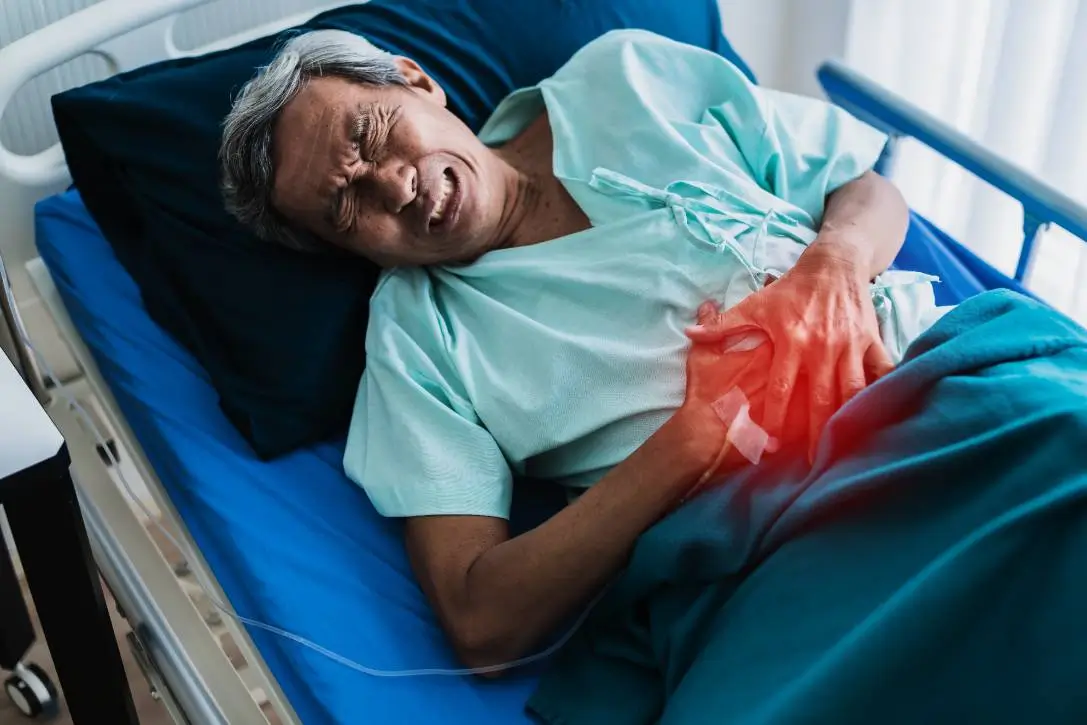
Living with kidney stones can be difficult when intense pain, permanent kidney damage, and life-threatening infections accompany the condition. It’s best to manage these risks in appropriate ways. Many different risks of living with kidney stones, and not searching up kidney stone specialists again include things like stones blocking urine flow, leading to severe kidney swelling, chronic kidney disease (CKD) and sepsis in case bacteria enters the bloodstream.
What are the myths of living with a kidney stone?
Kidney stones are often a difficult disease to manage, given the effect they have on a person’s diet. Some of the common myths about Kidney Stones include:-
- You must avoid calcium to prevent stones
Eliminating calcium from your diet can increase your chances, instead of decreasing them. A balanced diet, on the other hand can help have the right management for kidney stones.
- Drinking beer helps flush out stones
While beer acts as a diuretic, it can cause dehydration, and become even more painful in the long run. Plain water is always the best choice for hydration, or coconut water at best.
- All kidney stones require surgery
Surgery is typically reserved for larger stones that mostly get stuck, causing severe unmanageable pain. Others often pass with excessive hydration, and medication.
What Precautions are used with Kidney Stones?
Kidney Stones are often best managed with lifestyle changes, and over the counter medicines. With food intake limits, consuming sufficient dietary calcium, all can be done to prevent or manage a life with stones. The best precautions used with kidney stones are :-
- Boost Fluids
- Limit Oxalates
- Reduce Sodium & Sugar
- Moderate Animal Protein
- Maintain Dietary Calcium
How can Sohana Hospital help me with Kidney Stones?
Sohana hospital helps with all kinds of treatments for Kidney Stones, Urinary Bladder, Prostate and Reproductive Organs. Their excellence and skilled set of doctors can help with quick recovery, faster return to normal activity without stitches, cuts, pain or long hospital stays. Consult our experienced Best Urologist in Mohali.
Frequently Asked Questions
What foods should you avoid if you have kidney stones?
High-sodium foods, excess animal proteins, and added sugars, all should be avoided when dealing with kidney stones. Depending on the stone types, foods like spinach, beets, and nuts, and avoid taking high-dose Vitamin C should be limited.
How can Sohana Hospital help me with kidney stones?
Sohana Hospital helps with having all kinds of treatments for kidney stones. From kidney stone surgery to kidney stone laser surgery, all are performed with utmost precision for maximum patient benefit such as next day discharge, quick recovery and faster return to normal life.
How long does kidney stone pain last?
The actual duration of pain depends on the stone’s size , but can persist until the stone passes into the bladder or is removed. For a stone under 4 mm, it’s 1 to 4 weeks for the kidney pain to subside.
What dissolves kidney stones fast?
Pure hydration, over-the-counter pain relievers, and things like lemon juice for calcium stones can help dissolve kidney stones fast. Other surgical treatments include Shock Wave Lithotripsy, Ureteroscopy, and RIRS Laser Kidney Stone Surgery.
What is the first symptom of a kidney stone?
A sudden, sharp, or cramping pain in your back, side, or lower belly are usually the signs of a kidney stone. These, once detected, should be treated as soon as possible, with the best hospital for kidney stone treatment.
Reviewed On:
Medically Reviewed By:
Dr. Karamveer S. Sabharwal
Sohana Hospital, Mohali.
Last Updated: 11/07/2026
Credentials of the Author:
-MD Internal Medicine
-Mch Urology
-16+ Years of Experience
-Specialist in Uro-Surgical Treatment & Prevention