
Written By:
Dr. Karamveer Singh Sabarwhal
Chief Urologist & Robotic Surgeon
Sohana Hospital, Mohali.
Experience: 15+ Years
Published: 25/07/2026
Last Updated: 25/07/2026
56,000 new cancer cases are diagnosed every day, and their treatments become complicated as they have their separate treatment every single time. Knowing all the facilities required for robotic cancer surgery is important. In this blog we talk about Why is Robotic surgery done for cancer, who all can benefit from Robotic cancer, why is robotic surgery specifically done, why is robotic surgery specifically done, and how can Sohana Hospital help with cancer.
Why is Robotic surgery done for cancer?
Robotic oncology surgery hospital Mohali Chandigarh is done to practice maximum precision in removing tumors while minimizing damage to healthy tissues, reducing blood loss, and ensuring a faster recovery compared to traditional open surgery. Robotic surgery provides high surgical precision, clear 3D vision, and better protection of vital body functions. The best robotic cancer surgeon in Chandigarh can help you understand all there is for robotic surgery.
Who all can benefit from Robotic cancer?
Patients with localized tumors in confined or hard-to-reach spaces, most notably those with prostate cancer, gynecological cancers, and kidney tumors can easily benefit with robotic cancer, as these have critical organs-at-risk surrounding them. Cancers like Colorectal and Gastric Cancers, Head, Neck, and Lung Cancers can be highly benefited with robotic cancer. The best robotic cancer surgeon in Chandigarh can help with all kinds of complications that arise with other surgical procedures.
Why is Robotic surgery specifically done?
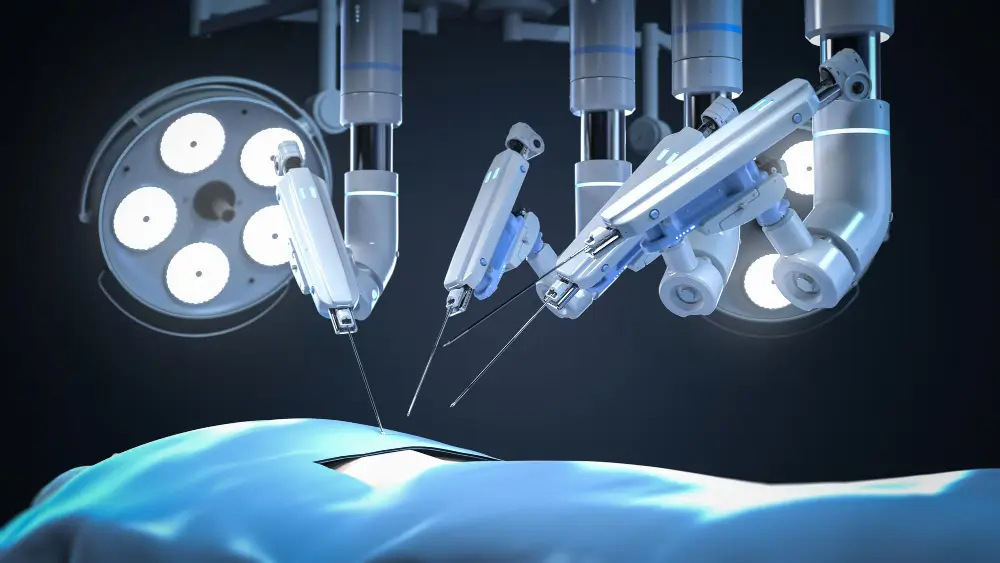
Robotic surgery is done to ensure saving the organ. In any case, the tumor can be reseted and the organ can be saved, robotic cancer surgery is the optimal option for that. It provides surgeons with enhanced precision, greater flexibility, and superior visualization during complex, minimally invasive procedures. High-definition 3D cameras and tiny wristed tools help with minimal invasion and proper removal of the tumor. The robotic arms reach difficult areas in the pelvis, chest, or abdomen much better than any other surgical method.
How can Sohana Hospital help with cancer?
Robotic cancer surgery in Chandigarh is the best approach for early stage, local tumors. Sohana hospital has an extraordinary department of cancer, with every facility available for cancer directed towards the betterment of the patient. The globally reputed da vinci robotic surgery enables us to provide the most beneficial surgical treatment.
Frequently Asked Questions
What are the benefits of robotic cancer surgery?
Robotic cancer surgery offers greater precision, smaller cuts, and less blood loss. These help surgeons remove tumors safely while protecting healthy tissue and nerves. Smaller cuts mean less physical hurt and less need for strong medicine after the operation. Patients get back on their feet faster.
How can Sohana hospital help with Robotic cancer surgery?
Sohana Hospital has a large number of facilities available when it comes to robotic cancer. Features like minimum invasion, less pain, shorter hospital stays,minimum Blood Loss, No Scarring, quick Return to Normal Life makes it a more reasonable choice for the procedure.
What is the success rate of robotic surgery?
The success rate of robotic surgery tells us about how it has realistically helped patients making it a better approach for surgical procedures. With highly precise wristed instruments, the technology reduces complication rates, blood loss, and recovery times compared to traditional manual surgery.
How many hours is robotic surgery?
On average, most routine robotic-assisted procedures take 2 to 3 hours to complete. The total time spent in the hospital or surgical center is usually longer than the surgical procedure itself. A typical day at the hospital often contains the pre, Intra, and post operative phase.
Does robotic surgery need anesthesia?
Robotic surgery requires general anesthesia, and is often preferred to keep you completely asleep, pain-free, and still. WIth anesthesia you don’t have to feel anything. Body positioning can affect breathing and heart rate.
Reviewed On:
Medically Reviewed By:
Dr Karambveer Singh Sabharwal
Robotic Uro-Surgeon
Sohana Hospital, Mohali.
Last Updated:
Credentials of the Reviewer:
-MCh Urology
-18+ Years of Clinical Experience
-Specialist in Robotic Diagnostics, Treatment & Prevention