
Many people experience bloating after meals, but few recognize this is a common sign of gallbladder (the small organ located beneath the liver) problems. People often blame this on gas, overeating, or indigestion. If bloating occurs repeatedly, particularly following heavy (oily) meals, it could indicate problems with gallstones. Gallstones are one of the most common digestive problems, and bloating is one of the first symptoms many people have before being diagnosed. In this article, we will discuss gallstones in detail, as backed by the Best Hospital for Gallbladder Surgery
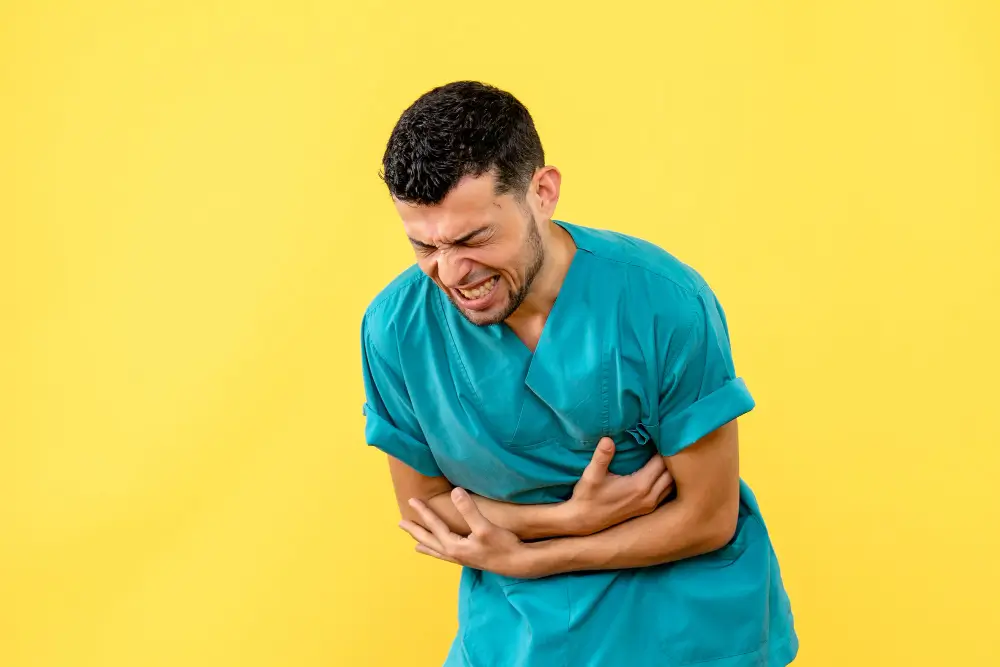
What Are Gallstones?
The gallbladder is a small internal organ that sits below the liver and stores bile, a digestive fluid that helps the body break down fat. Gallstones develop when substances such as Cholesterol or Bilirubin (substances found in bile) clump together and harden into stone-like deposits inside the gallbladder. Some gallstones are asymptomatic, while others disrupt the digestive process and cause significant levels of discomfort.
Why Do Gallstones Cause Bloating?
As per the Best Hospital for Gallbladder Surgery, the gallbladder is an important part of the digestive system, a part of the body that helps us break down fatty foods. If there is a blockage or any disruption to the normal flow of bile due to gallstones, the digestive process is less efficient, leading to:
- Bloating After Eating
- Feeling Full
- Excess Gas
- Indigestion
- Nausea
People often find that they experience significant bloating when they eat fried, spicy, or oily foods.
Other Symptoms You Should Not Ignore
Gallstones can cause more than just bloating. Common additional symptoms include:
- Pain in the upper right abdomen
- Pain after eating heavy meals
- Nausea or vomiting
- Pain in the back or the shoulder
- Acid reflux or burping
Some patients’ symptoms may come and go, making it difficult to recognize that they have this condition early on.
When Should You Get a Doctor?
According to the Best Hospital for Gallbladder Surgery, gallstones can cause blockage of the bile ducts, leading to complications such as:
- Infection of the gallbladder
- Inflammation
- Jaundice (yellowing of skin)
- Pancreatitis
If you experience severe abdominal pain, fever, and yellowing of your skin and/or eyes, it is important to see a doctor immediately.
How Are Gallstones Diagnosed?
Typically, doctors diagnose gallstones through:
- An ultrasound
- Blood tests
- CT imaging studies in limited cases
The most common and reliable method used for the identification of gallstones is via the use of an ultrasound.
Can Gallstones be Treated Without Surgery?
If the stones are small or in asymptomatic patients can be monitored, and treatment with lifestyle changes can be recommended. Once a patient develops symptoms such as bloating, abdominal pain, or recurring digestive issues, treatments are generally recommended. Medication may relieve symptoms temporarily, but there is no medication on the market that will remove gallstones from the body permanently.
Sohana Hospital Mohali is home to the world’s most advanced robotic technology and North India’s most trusted and experienced robotic surgeons, making it the Best Hospital for Gallbladder Surgery. Book your appointment today!