
As more people experience an increase in hypertension cases, they are turning to home blood pressure monitors to monitor their heart health. Home monitoring is a highly effective and easy way to measure changes in blood pressure over time and evaluate how lifestyle, anxiety, or medication impacts the body. A question that still begs to be answered is at what point should a blood pressure reading become worrisome? A better understanding of what is considered normal blood pressure levels, when something may be in the process of changing, and when something requires medical intervention will assist you in alleviating any unnecessary panic while protecting your health. In this article, we will discuss the same in detail as backed by the best high blood pressure clinic in Mohali.
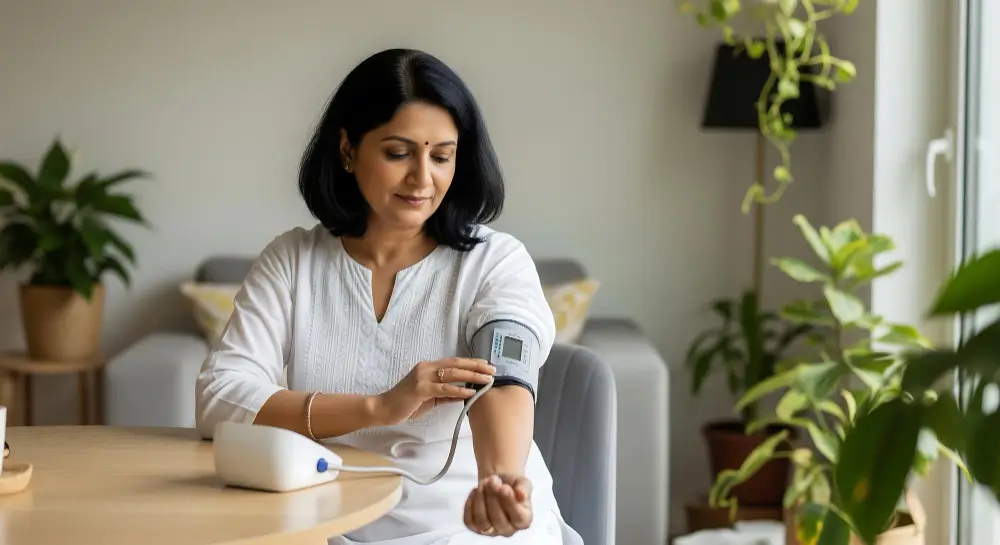
What Is Normal Blood Pressure?
Generally:
- Normal: Approximately 120/80 mmHg.
- Elevated: Not consistently high but above normal.
- Hypertension: Recurrent readings that are above normal and/or above the recommended levels.
One slightly elevated blood pressure reading cannot always be interpreted as a problem; it is the sustained pattern that builds over time that is most important.
The Importance of Home Blood Pressure Monitoring
Blood pressure can fluctuate during a 24-hour cycle due to:
- Anxiety
- Physical activity
- Sleep duration
- Diet
- Caffeine consumption
Clinical blood pressure readings are typically higher due to anxiety caused by the presence of a physician or taking blood pressure. This phenomenon can be commonly referred to as “white coat hypertension”. Obtaining blood pressure readings within the home provides a more true picture of your normal 24-hour blood pressure activity.
Common Mistakes When Taking Blood Pressure At Home
According to a hypertension doctor in Punjab, you can get inaccurate measurements if you use the wrong technique.
To ensure accurate readings:
- Take a few minutes to rest before measuring blood pressure.
- Keep your feet flat.
- Do not drink caffeine or smoke prior to measuring blood pressure.
- Place the cuff in the appropriate area of your arm.
- Measure your blood pressure at the same time each day.
- Taking several readings and averaging them is frequently a more accurate way to assess blood pressure.
Signs That You Should Be Concerned About Your Blood Pressure Levels
Many people experience a variety in their blood pressure from time to time; however, certain changes should not be ignored.
Signs That You May Need to Contact a Medical Professional:
- Consistent high readings over several days.
- An increase in blood pressure that is pronounced and abrupt.
- Headaches or dizziness when your blood pressure is elevated.
- Chest pain or difficulty breathing.
- Blurred vision or confusion.
According to the best heart care hospital in Chandigarh, persistently high blood pressure could be a sign of persistent hypertension (high blood pressure) and may also indicate the presence of heart disease.
Signs That You Should Seek Immediate Medical Attention
You should contact a healthcare professional immediately when you have a very high blood pressure reading, together with any of the following symptoms:
- Severe chest pain.
- Breathing problems.
- Sudden onset of weakness and/or numbness.
- Severe headaches.
- Fainting.
These symptoms may indicate either a hypertensive emergency or a cardiovascular complication.
Sohana Hospital Mohali is the top priority of patients in the tri-city when it comes to the best cardiologist in Chandigarh, thanks to its advanced technology and experienced heart specialists. Book your appointment today!