
Many people associate Radiation Therapy with treating cancer, but it is also an important part of palliative care through alleviating symptoms, providing comfort, and increasing quality of life for individuals with advanced or metastatic (spreading) cancers.
Palliative Radiation is generally not for curing; rather, it is to decrease pain, slow down the spread of the cancer by controlling tumors, and deal with distressing symptoms, while also providing dignity and comfort to patients. In this article, we will discuss radiation therapy for cancer in detail.
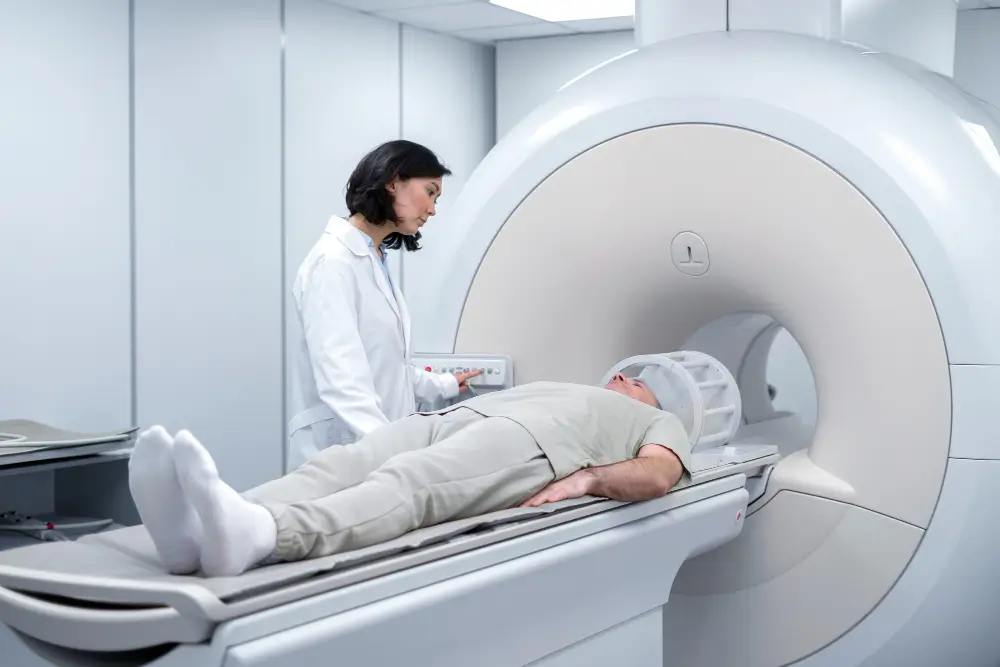
What is Palliative Radiation?
Palliative radiation uses high-energy rays to target and kill cancer cells. In palliative situations, however, lower doses of radiation are used to relieve symptoms due to tumor pressure on nerves, bones or vital organs.
Typical palliative radiation treatment plans havea shorter course than curative treatments and sometimes can be given in a single visit to the Radiation Oncology clinic, depending on individual circumstances and the overall treatment goals.
When Is It Recommended?
Doctors may recommend palliative radiation therapy for many reasons, including:
- Bone pain due to metastases
Cancer that spreads to the bone can cause extreme pain and increase the chance of fracture. Palliative radiation therapy for cancer may shrink the tumor to help relieve pain.
- Brain metastases
When cancer spreads to the brain, it can cause headaches, seizures, nausea or neurologic symptoms. Radiation therapy may help to decrease the size of your tumor and relieve the pressure on the surrounding tissues.
- Compression of the spinal cord
Tumors that are compressing the spinal cord may cause pain, weakness, and possibly paralysis. If you have radiation therapy early, you may prevent permanent injury.
- Bleeding and obstruction
Tumors in the lungs, digestive tract, or bladder may cause profit from bleeding and/or obstruction; therefore, radiation may help to control bleeding and improve the function of an affected organ.
- Excrescence- Related lump And Pressure
radiation therapy for cancer can help palliate the discomfort caused by tumours pressing against the neck.
How Effective Is Radiation?
Palliative radiation therapy is veritably effective in relieving symptoms. Numerous people will have a conspicuous drop in their level of pain within just a few days to several weeks after treatment. Research shows that a large chance of those who had bone metastases experience significant quantities of pain relief.
One major benefit is that it can drop the number of strong pain specifics demanded, leading to better alertness and overall quality of life.
Perfecting Quality Of Life
Palliative radiation is designed not only to extend a person’s life, but it will also ameliorate the patient’s overall quality of life during the time they have left. When a case receives control of their pain and the distressing symptoms caused by their illness, they tend to be more engaged in conditioning they enjoy, feel comfortable in their surroundings and have further peace of mind.
Palliative radiation therapy can be combined with other probative curatives to manage pain from their cancer, platoon treatments, targeted remedy and/ or palliative care modalities.
If you are looking for the best cancer hospital in chandigarh, Sohana Hospital Mohali, equipped with the world’s most advanced technology and North India’s most trusted cancer specialists, can be the best option for you. Book your appointment today!