
Gallstones and gallbladder conditions are among the most frequent digestive problems, with many patients not aware that they even have a problem until they experience symptoms that are too much for them to tolerate. The gall bladder is a small, pear-shaped organ located beneath the liver that stores bile, which is necessary for digesting fats. Gallstones are formed when bile becomes too concentrated or hardened. Identifying symptoms early can help to prevent complications from developing and allow for early diagnosis and treatment. In this article, we will discuss gallstones in detail, backed by the best robotic surgery hospital in India.
Symptoms of Gallstones
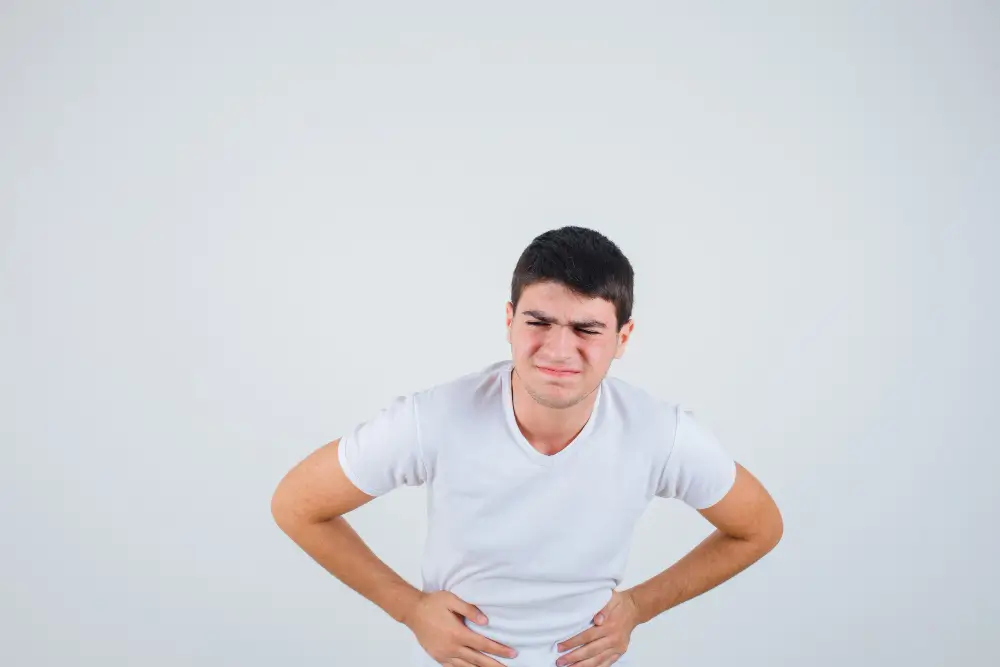
The most common symptom of gallbladder-related problems is sudden and severe pain in the upper right side of the abdomen. This pain may radiate to the center of the abdomen, between the breastbone and navel, and is referred to as biliary colic. Biliary colic can occur at any time during the day but is usually experienced as an acute incident. It can last several minutes to several hours, and it will typically come and go on its own.
While some patients will experience discomfort in the right shoulder or back, others will only notice discomfort as a result of eating fatty foods. In most cases, patients describe the pain associated with biliary colic as being affectingly sharp and/or having a cramping pressure-type sensation, regardless of the activity or movement made by the patient.
Gastrointestinal Symptoms to Watch For
Diseases associated with the gall bladder may ultimately lead to other gastrointestinal symptoms such as nausea, vomiting, bloating, flatulence, or indigestion. Many patients report feeling full after eating even though they have eaten very small amounts.
Signs and Symptoms of Inflammation or Infection
As per the best robotic surgery hospital in India, bile ducts can become blocked by a gallstone, which would lead to inflammation of the gallbladder cholecystitis. Symptoms of this may include constant abdominal pain, fever, chills, and tenderness in the upper abdomen. All of these symptoms are an indication that someone should seek medical treatment immediately.
Jaundice (Yellowing of the Skin or Eyes)
Jaundice (yellowing of the skin or eyes) can occur as a result of a gallstone blocking the bile ducts. This may also cause dark urine and chalky stool. These are serious signs that there is a blockage to the flow of bile and should not be ignored.
Gallstones Affecting The Pancreas
In some instances, gallstones can block the pancreatic duct, resulting in pancreatitis. Symptoms of pancreatitis include severe abdominal pain that may radiate to the back; vomiting, fever; and rapid heart rate. This is a medical emergency that requires immediate medical attention.
Risk Factors For Gallstones
Some individuals are more likely to develop gallstones than others, such as those who are overweight, pregnant, 40 years or older, have diabetes, or have a family history of gallstones. Rapid weight loss, hormonal fluctuations, and a diet high in fat also may increase risk for gallstones.
If you are facing the symptoms of gallstones and looking for the best robotic surgery hospital in India, for robotic gallbladder removal, Sohana Hospital can be the best option for you. Experienced robotic surgeons at Sohana Hospital, Mohali, utilizing its state-of-the-art technology, have provided complete relief to thousands of gallbladder stone patients through robotic surgery. Book your appointment today!