
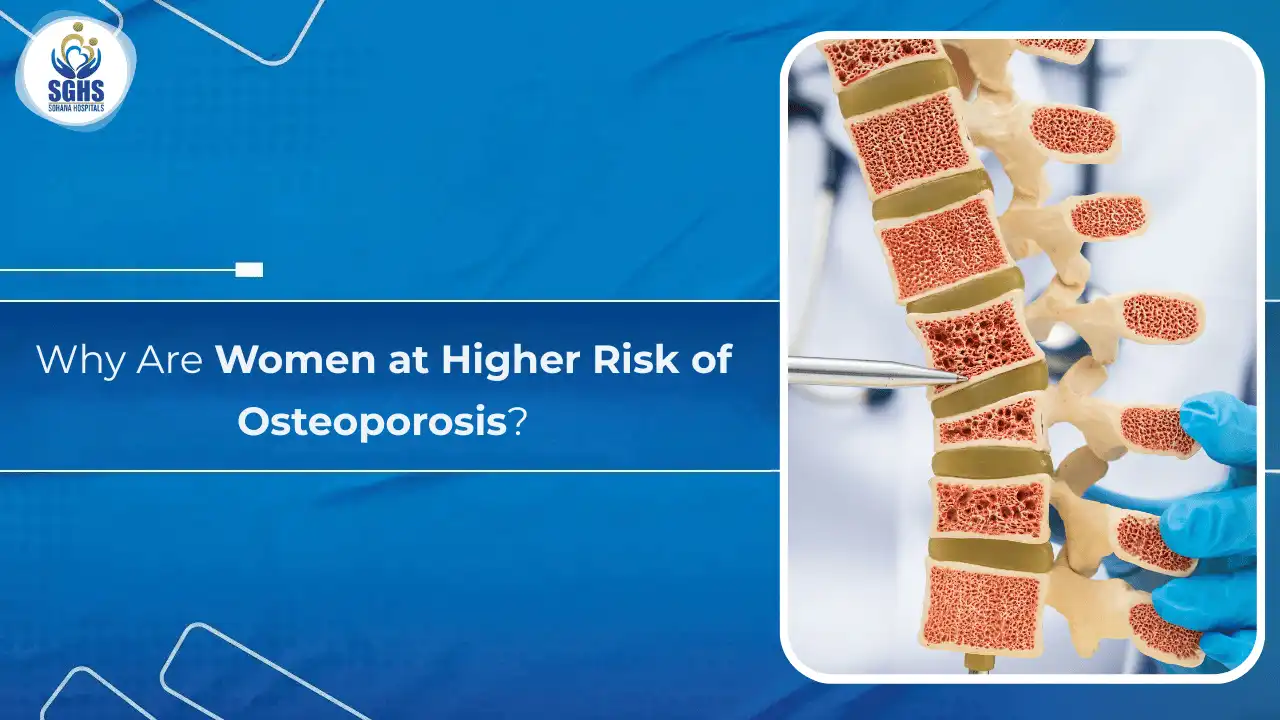
Ever noticed that you see more women than men with osteoporosis-related fractures? Studies reveal that women are more prone to osteoporosis and osteopenia. But why is it so?
The prominent reasons behind this include women’s lower bone density and hormonal changes due to pregnancy and menopause.
What is Osteoporosis?
Osteoporosis is a condition that causes bones to lose mass and density, thereby becoming weak. It happens due to the gradual loss of calcium and other bone minerals from the bones. Weak bones tend to break and shrink easily.
Globally, more than 200 million people[1] are believed to have osteoporosis. In India, as many as 60 million people suffer from osteoporosis[2], with women accounting for 80% of those affected. It is estimated that nearly 1 in 3 women[3] aged over 50 will have osteoporosis-related fractures, as against 1 in 5 men aged 50+.
Osteoporosis progresses silently without any symptoms. Most patients do not discover they have osteoporosis until a fracture occurs. Osteoporosis is the cause behind nearly 37 million[4] fragility fractures every year (global data) in people aged 55+. It translates into an astounding 70 fractures per minute.
| Did you know? In individuals with osteoporosis, a minor fall may break a hip and just a sneeze may result in a broken rib. |
Even if you are in good health, you may have osteoporosis or osteopenia (low bone mass and precursor to osteoporosis). This makes it ultimately necessary to get regular bone density scans after the age of 50 – to allow for timely diagnosis and treatment. For those with risk factors, bone scans may be advised even at the age of 35.
Women are particularly susceptible to developing osteopenia and osteoporosis due to factors that we are going to explore.
What Makes Women More Prone to Osteoporosis
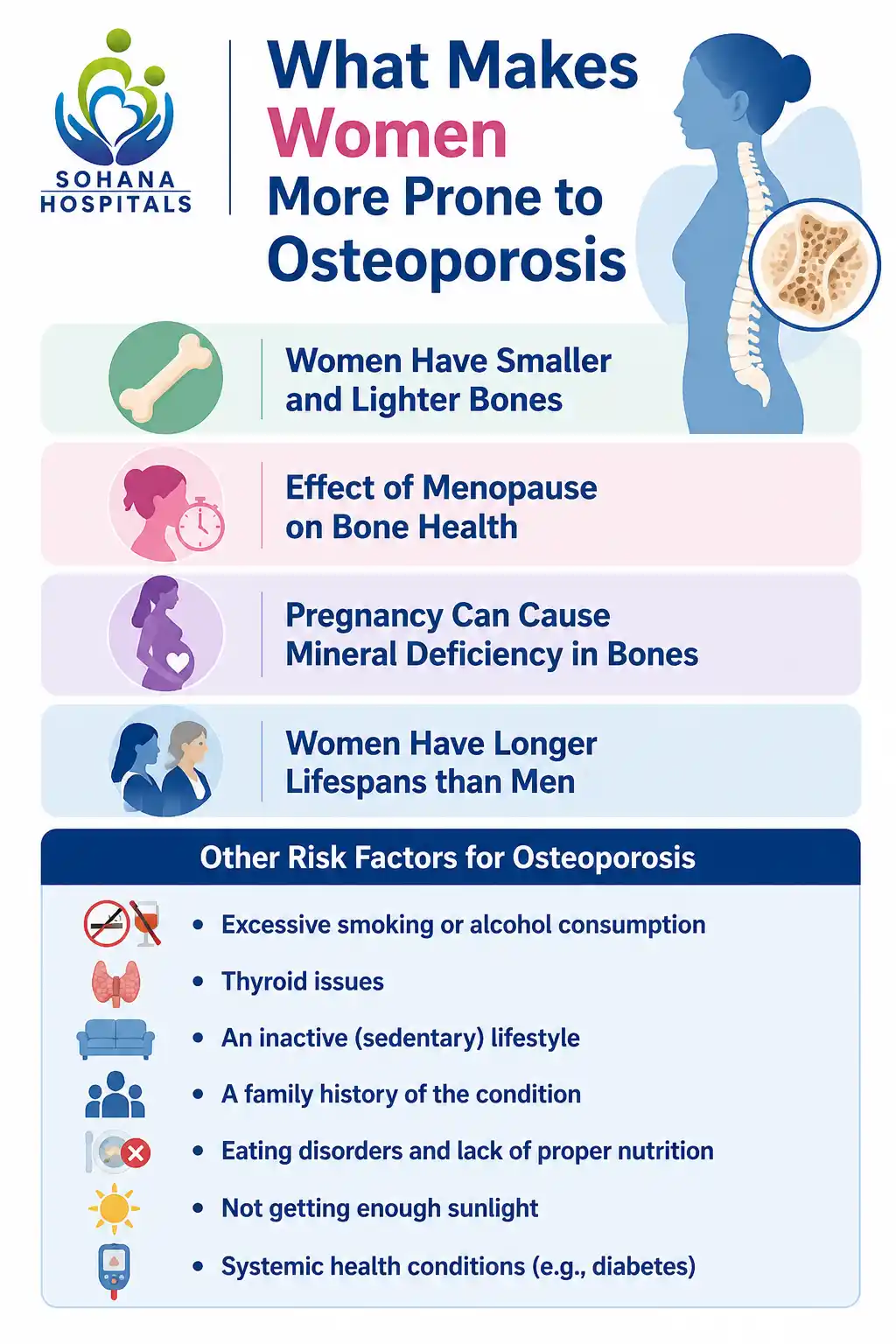
Women Have Smaller and Lighter Bones
Women generally have shorter height and a smaller body frame than men. It essentially means that they have lighter bones as compared to men. If a woman weighs less than 57 kg (indicating a BMI or Body Mass Index below 19.0), she is often at a higher risk of osteoporosis.
*Tip: Walking, lifting weights, and performing other load-bearing exercises can be helpful. And yes, do consume a diet rich in Calcium and Vitamin D when you are younger. It can help strengthen your bones.
Effect of Menopause on Bone Health
In the perimenopausal stage and after menopause, a woman’s body slows down the production of estrogen, the hormone responsible for protecting bones from losing Calcium. Clinical studies indicate that in the absence of adequate estrogen, a woman may even lose up to 25% of her bone mass in the first decade of her menopause.
*Tip: Get a bone test (DXA scan) when menopause occurs or when you step into your 50s. This will help you get information about your bone health. Also, switch to a nutritious diet and a healthier lifestyle. You can also talk to your doctor about taking Calcium supplements.
| Did you know? 30 out of 100[5] postmenopausal women have osteoporosis. |
Pregnancy Can Cause Mineral Deficiency in Bones
Pregnant women and lactating mothers should be careful to take sufficient calcium and vitamin D in their diet or through supplements since demand for these minerals increases during these phases. If they do not do so, their bones may get robbed of these minerals, as growing babies may continue to take these minerals from their mothers’ bones.
It is important to note that most women regain bone mass post-delivery, and bearing children may offer protection against the condition in the long run.
*Tip: If you’re pregnant or nursing, make sure you get plenty of calcium and vitamin D to avoid losing these minerals from your bones.
Women Have Longer Lifespans than Men
It has been found that women often live longer than men. Their average longevity is 5 years more than that of men. Although it may sound good, it also means an increased likelihood of age-related bone loss.
Bone loss gradually increases with age, especially after menopause. Increased longevity would thus mean a higher risk for osteoporosis-related fractures in the hip, wrist, and other bones.
*Tip: Get regular bone scans. Take prescribed amounts of calcium and vitamin D through diet and supplements. Lead an active lifestyle.
| Did you know? An increasing number of Indian patients in their 40s and 50s have been consulting gynaecologists. The reason? Early signs of reduced bone density, such as poor posture, back pain, and frequent fractures, indicate degrading bone quality. |
Other Risk Factors for Osteoporosis
While females are more vulnerable to osteopenia and later osteoporosis, some other factors may further elevate the risk. Some of these factors are:
- Excessive smoking or alcohol consumption
- Thyroid issues
- An inactive (sedentary) lifestyle
- A family history of the condition
- Eating disorders and lack of proper nutrition
- Not getting enough sunlight
- Systemic health conditions (e.g., diabetes)
*Tip: Have 2 or more additional risk factors? Do not wait for menopause. Get a bone scan at a younger age to assess your bone health.
| Did you know? Early menopause (before age 45) raises osteoporosis risk, particularly in women who have had hysterectomy (uterus removal surgery). If you fall in this category, be extra cautious towards your bone health. |
At Sohana Hospital, highly experienced bone experts may also suggest other treatment options as per your requirements. These bone-strengthening treatments may include one or more of the following:
- A diet rich in calcium and vitamin D
- Calcium supplements
- Vitamin D supplements
- Walking, dancing, and other low-impact exercises
- Weight-bearing exercises
- Thyroid medicine
- Hormone therapy (in select women after proper medical evaluation)
To ensure you have healthy bones as you grow older, make the above-mentioned bone protection strategies a part of your life. For bone screening (DXA) tests or personalised bone-strengthening advice, get in touch with the best orthopaedic doctors in Chandigarh at Sohana Hospital.
Conclusion
Understanding the link between being female and osteoporosis can help women safeguard themselves from fractures, pain, and movement issues later in life. This awareness can help women make better choices and strive for stronger bones.
At Sohana Hospital, expert orthopaedists offer personalised treatment options for osteoporosis depending on the severity of your bone density loss. From dietary supplements and lifestyle changes to advanced hormone replacement therapy, we have it all.
With early diagnosis, proper nutrition, regular exercise, and timely treatment, most women with osteoporosis can continue to lead active and healthy lives.
FAQs
How does osteoporosis affect bones?
Osteoporosis affects bone density, turning the bones more porous and weak. It also affects your ability to regrow bone after an injury. Individuals with osteoporosis are more prone to fractures even after minor falls or injuries.
At what age do bones start losing mass?
Our bones grow and develop almost till the age of 25. After this age, we start losing bone. Bone loss speeds up as we grow older. In women, bone loss accelerates during perimenopause and after menopause. The reason is fluctuating hormonal levels (primarily estrogen).
Which hormones affect bone health?
Several hormones affect bone strength in various ways. The prominent among these hormones are PTH (Parathyroid hormone), cortisol, calcitriol, leptin, insulin, estrogen, testosterone, etc.
Do any diseases increase the risk of osteoporosis?
Immunodeficiencies, eating disorders, gastrointestinal diseases, rheumatoid arthritis, conditions affecting the endocrine system, and some types of cancer, may raise the risk of osteoporosis.
Do any medicines increase the risk of osteoporosis?
Medications for treatment of asthma, epilepsy, rheumatoid arthritis, depression, acid reflux, and diabetes, etc. may contribute to higher osteoporosis risk.
How do alcohol and smoking raise osteoporosis risk?
These substances slow down bone formation and make it harder for the body to absorb calcium, thereby raising your osteoporosis risk.
Are there any osteoporosis symptoms?
Though there are no clear symptoms, you should watch out for signs like stooped posture, loss of height, back pain, and frequent fractures – especially post 45 years of age.
How does menopause lead to osteoporosis in women?
Menopause is one factor that can result in up to 20% of bone density loss. The reason is that after menopause, estrogen levels dip significantly (estrogen is a hormone that helps maintain bone strength).
Reference Source:
- https://pmc.ncbi.nlm.nih.gov/articles/PMC5335887/
- https://pmc.ncbi.nlm.nih.gov/articles/PMC8910053/
- https://www.osteoporosis.foundation/facts-statistics/epidemiology-of-osteoporosis-and-fragility-fractures#ref_bottom_2
- https://www.osteoporosis.foundation/facts-statistics/epidemiology-of-osteoporosis-and-fragility-fractures
- https://pmc.ncbi.nlm.nih.gov/articles/PMC8910053/#:~:text=30%20percent%20of%20postmenopausal%20women%20suffer%20from%20osteoporosis