
Feeling tired every morning, even after 8 hours of sound sleep, could be a result of loud breathing during sleep (or snoring) or having an irregular breathing pattern while sleeping. Sleep apnea is a prevalent sleep disorder characterized by repeated interruptions in one’s ability to breathe while asleep, thus affecting the person’s quality of sleep and their general wellness.
Fortunately, there are multiple ways in which sleep apnea can be treated to greatly enhance both the quantity and quality of your sleep, along with your overall level of energy. In this article, we will discuss in detail sleep apnea, as backed by the best pulmonologist in Chandigarh.
Understanding the Types of Sleep Apnea
There are two main classifications of Sleep apnea:
- Obstructive Sleep Apnea (OSA) – This occurs due to an obstruction in the airway, preventing one from being able to breathe adequately.
- Central Sleep Apnea – This occurs due to your brain being unable to send signals to your muscles, which control respiration.
Out of these two types of Sleep Apnea, the most prevalent is the OSA and is frequently associated with being overweight, a poor lifestyle, or having an anatomical abnormality that causes the airway to be obstructed.
Why is Treatment for Sleep Apnea Essential?
If left untreated, sleep apnea could lead to very serious medical conditions, including:
- Elevated blood pressure
- Congestive heart failure
Excessive levels of fatigue during the daytime and lack of concentration on work tasks, are associated with a significantly increased risk of injuries or accidents.
This is why it is critical that you are diagnosed early and treated properly for your sleep apnea disorder!
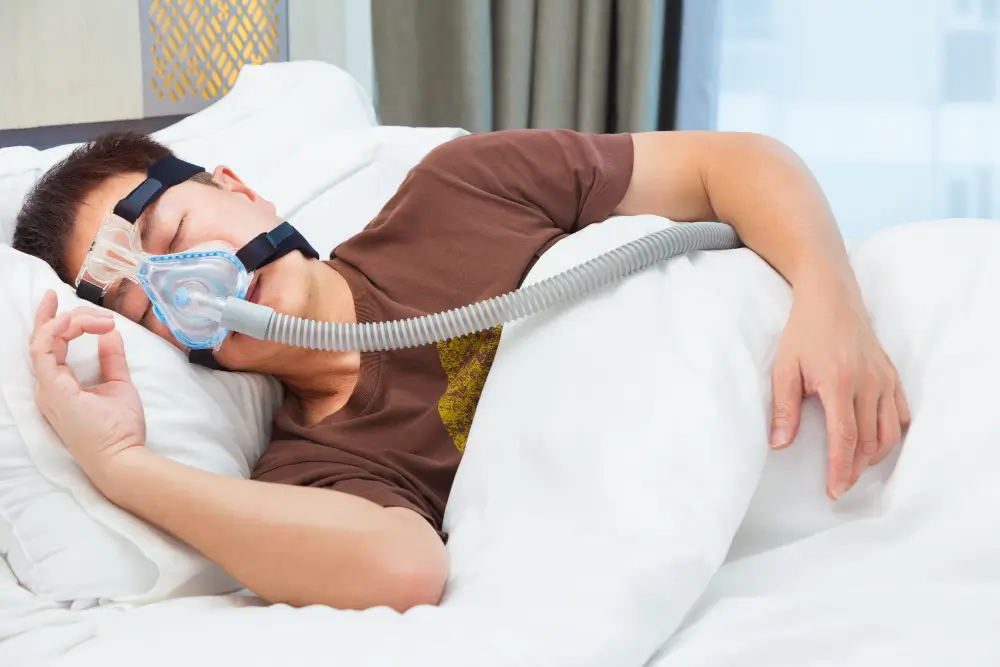
CPAP Treatment for Sleep Apnea
As per the best pulmonologist in Chandigarh, CPAP (Continuous Positive Airway Pressure) is the most commonly prescribed treatment for sleep apnea that is moderate or severe sleep apnea.
How CPAP works: CPAP delivers a continuous flow of air through a mask worn during sleep. The air pressure from the CPAP machine keeps the airway open, allowing you to breathe normally while you sleep.
Benefits of CPAP:
- Provides an instant improvement in the quality of sleep.
- Reduces snoring.
- Decreases the risk of developing heart problems.
- Increases alertness during the day.
While it may take some time to get used to wearing the mask, most people notice a significant improvement once they adapt.
Ways To Improve Sleep Apnea Without A CPAP
According to the best pulmonologist in Chandigarh, for mild cases, and in addition to using a CPAP, here are some changes you can make to improve your ability to sleep:
- Maintain a Healthy Weight: Being overweight, particularly around the neck, can contribute to obstructed airways.
- Change Your Sleeping Position: Sleeping on your side instead of your back can help relieve airway obstruction.
- Avoid Alcohol and Sedatives: Alcohol and sedatives relax the muscles in your throat and make breathing interruptions more likely.
- Establish a Regular Sleep Routine: Sticking to a routine with your sleep, such as going to bed and waking up at the same time each day, is one of the best ways to enhance your overall quality of sleep.
Sohana Hospital Mohali is the top choice for people considering sleep apnea treatment in Mohali, thanks to its advanced technology and North India’s best specialists. Book your appointment today!