
Written By:
Dr Karamveer Singh Sabharwal
Chief Urologist & Robotic Surgeon
Sohana Hospital, Mohali.
Experience: 18+ Years
Published: 27/07/2026
Last Updated: 26/07/2026
Overall, about 12% of the Indian population suffers from kidney stone disease. With such alarming rates of kidney stones in women and men, it’s important to know all about the symptoms and what kidney stones actually cause in the body. In this blog we talk about What are Kidney Stones, What are the kidney stone symptoms, How are symptoms different in men and women, and how can Sohana hospital help with kidney stones.
What are Kidney Stones?
Kidney stones are hard lumps made of minerals and salts that form inside your kidneys. These are painful and can be treated with both medicines. Main types of stones include Calcium stones, uric acid stones, struvite stones, and cystine stones. Common signs and symptoms include sharp, severe pain in your back, side, belly, or groin, pink, red, or brown blood in your pee, feeling sick to your stomach or throwing up, needing to pee very often or feeling a sharp burn.
What are the kidney stone symptoms ?
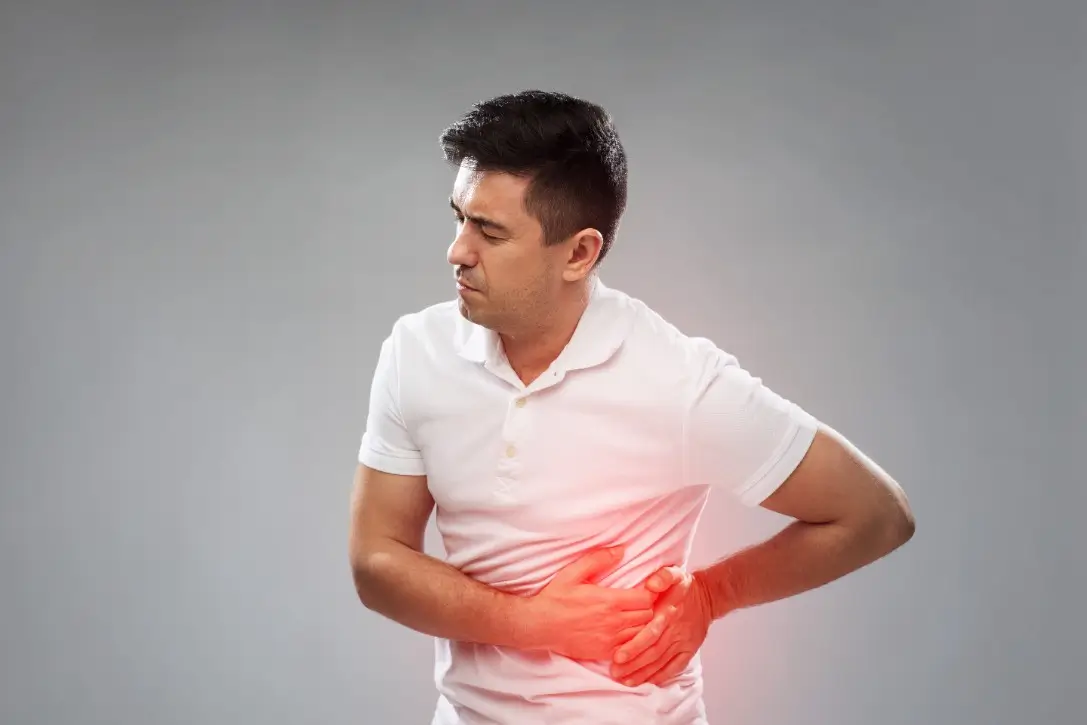
Kidney stones are one of the most painful conditions to have, and their treatment often includes various options. Common symptoms of kidney stones include sharp back and side pain, blood in the urine, and painful urination. Some of the pain signs include side and back pain, moving pain, and waves of pain. A kidney doctor in Chandigarh can help you with other things as well, and understand what the right treatment looks for you.
How are symptoms different in men and women?
Key differences appear in men and women are mostly because of genetics and biology. Men typically feel radiating pain in the groin or testicles, whereas women more frequently experience pelvic pressure alongside UTI-like urinary urgency. Kidney disease treatment in Mohali can help you determine the right diagnosis, and treatment.
Common Symptoms in Both Men and Women include Flank Pain, Urinary Changes, Digestive Upset, and Infection Signs, Groin and Testicular Radiation, and mimicking a hernia or testicular torsion are some of the symptoms Unique or More Common in Men, whereas women specifically Pelvic and Cramp-like Pain, higher UTI rates, and misdiagnosis risks.
How can Sohana Hospital help me with Kidney Stone symptoms?
Sohana hospital has a wide variety of treatments available for kidney stones. From treatment with medication to laser RIRS kidneys tone removal all are easily available for treatment. A Kidney Stone Specialist will recommend diagnostic tests which help them locate the presence of a kidney stone, its size, location and any underlying diseases it may cause if left untreated.
Frequently Asked Questions
Do kidney stones feel worse for men or women?
Kidney stone pain is generally considered to be the same excruciating experience for both women and men. A sharp, cramping wave of pain in the lower back or side is felt for kidney stones. The main differences lie in where that pain radiates due to anatomy.
How can Sohana Hospital help with Kidney stones?
Sohana hospital has a wide range of treatments available for kidney stones for both women and men. RIRS Laser Holmium Technology offers excellent surgical outcomes for kidney stone pain with world class ultra modern operation theaters, and precise diagnosis & treatments with faster recovery times all acknowledge a perfect treatment for kidney stones.
Is it easier for women to pass kidney stones?
The physical process of moving a stone from the kidney through the ureter depends on stone size and location rather than gender, making the whole process same for women and men. The most painful and difficult part of passing a stone is traveling down the ureter.
What age do women get kidney stones?
Women most commonly develop kidney stones between the ages of 25 and 30, and again between 40 and 60. Understanding what drives these risks can help with prevention. If you are experiencing symptoms like severe back pain, nausea, or blood in your urine, consider a consultation with the best kidney stone surgeon today.
What could be mistaken for kidney stones?
Several conditions like Kidney Infection, bladder infection, Abdominal and Digestive Issues like Appendicitis, gallstones, Diverticulitis, Irritable Bowel Syndrome, Musculoskeletal and Reproductive Issues like muscle strain, and ovarian cysts.
Medically Reviewed By:
Dr. Karamveer Singh Sabarwhal
Chief Urologist & Robotic Surgery
Sohana Hospital, Mohali.
Credentials of the Author:
-MS General Surgery
-MCh Urology
-18+ Years of Clinical Experience