
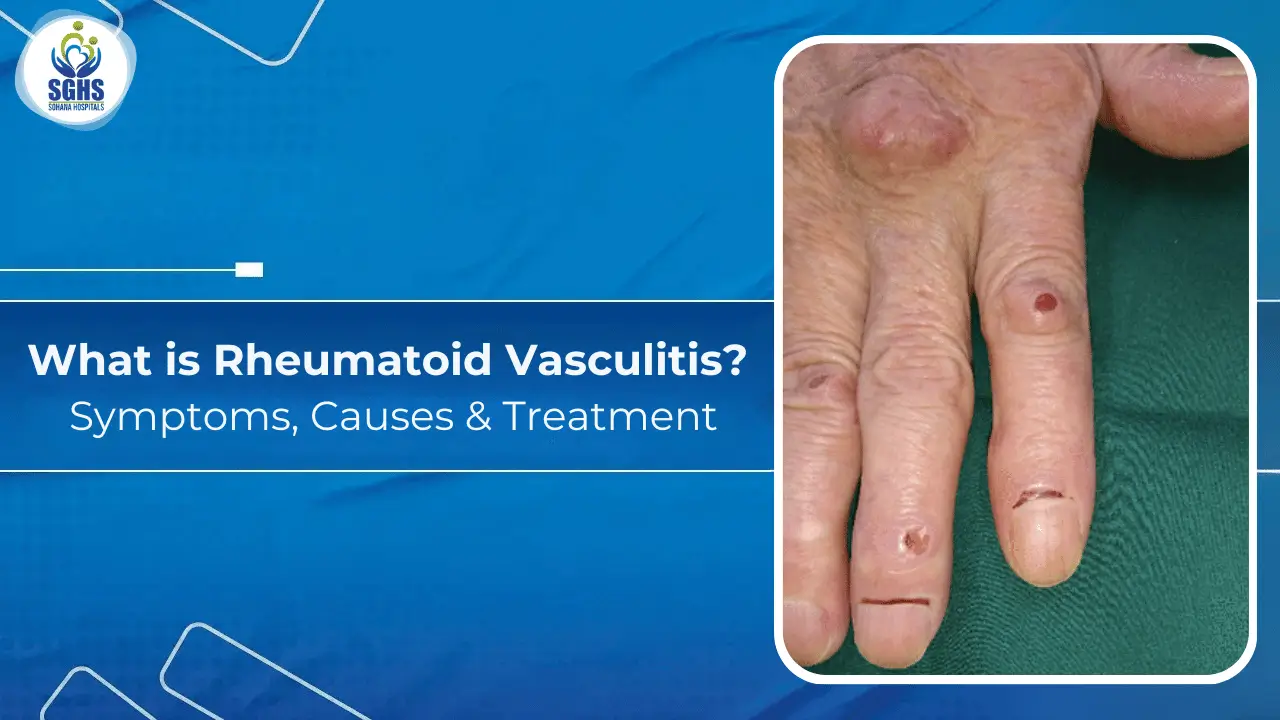
Vasculitis is an autoimmune condition where your blood vessels get inflamed. Rheumatoid vasculitis affects people who have had rheumatoid arthritis (RA) for at least 10 years or more. When your blood vessels are swollen, the flow of blood through them is restricted, leading to serious implications such as tissue and organ damage.
Rheumatoid vasculitis is considered a chronic condition. However, symptoms can be effectively managed with proper and timely medication.
In this blog, we are going to discuss what rheumatoid vasculitis is, its symptoms, causes, risk factors, and treatment options. Read along if you or a loved one is suffering from or is at risk of developing the condition.
What is Rheumatoid Vasculitis?
Rheumatoid vasculitis is a form of vasculitis that affects people who have rheumatoid arthritis. Vasculitis is an inflammatory condition that causes your blood vessels to become inflamed, restricting efficient blood flow throughout the body. RA is an autoimmune disease where your body’s immune system attacks the joints and surrounding tissues, instead of protecting them.
As a result, rheumatoid vasculitis is also an autoimmune disease. This condition primarily affects your blood vessels. Inflamed blood vessels can lead to joints and skin tissue damage, causing skin rashes, discolouration, and sores around hands, fingers, feet, and toes.
Rheumatoid Vasculitis Symptoms
Some common symptoms & signs of rheumatoid vasculitis include:
- Rashes or bumps on the skin
- Sores on the skin (specifically near fingertips)
- Bruising or discolouration of skin
- Pain in hands, feet, fingers, or toes
- Muscle weakness
- Tingling sensation or numbness in hands or feet
- Skin ulcers or gangrene (extreme cases)
Some more severe symptoms include:
- Cough
- Weight loss
- Loss of appetite
- Abdominal pain (stomach ache)
- Fever
- Chest pain
- Excess fatigue
Rheumatoid Vasculitis Causes
Rheumatoid vasculitis is an autoimmune condition that attacks the body’s blood vessels. If an individual has had rheumatoid arthritis (for over 10 years), their immune system may start to damage their blood vessels, especially those in the hands and feet.
The affected vessels may get inflamed, swell up, or thicken. This makes it hard for blood to flow throughout the body efficiently. Over a period of time, the inflammation can lead to severe damage to tissues.
Rheumatoid Vasculitis Risk Factors
Rheumatoid vasculitis can affect anyone with RA. However, some people with RA are at a higher risk of developing rheumatoid vasculitis. These risk factors include:
- RA in multiple joints (polyarthritis)
- Excessive cigarette or tobacco consumption
- Felty syndrome (an RA complication – low white blood cell count or enlarged spleen)
- Severe RA
- Rheumatoid nodules (bumps under the skin near RA-affected joints)
Rheumatoid Vasculitis Treatment
Your doctor will suggest appropriate measures to control your rheumatoid vasculitis symptoms. They can give you a personalised treatment plan suited to your unique condition and symptoms. This will help reduce or completely prevent damage to your organs and blood vessels.
Typically, managing RA symptoms can also help in treating rheumatoid vasculitis. Some common modes of treatment include:
- Corticosteroids
- DMARDs
- Immunosuppressants or biologics
- Other RA medication
Additionally, you may also benefit from quitting smoking and tobacco products. Quitting tobacco completely if you have RA can help prevent rheumatoid vasculitis before it even develops.
When to Visit a Doctor?
If you or someone you know has been living with rheumatoid arthritis for 10 or more years and experiences any of the above-mentioned symptoms, it may be rheumatoid vasculitis. It is crucial that you visit a trusted healthcare provider as soon as you notice the first symptom. Early diagnosis significantly reduces the risk of permanent damage to joints and skin tissues.
At Sohana Hospital, you can consult the best rheumatology doctors in the city and get trusted vasculitis care at affordable prices. With a dedicated rheumatology department, expert rheumatologists, advanced diagnostic facilities, and modern treatment options, we aim to make comprehensive rheumatology care accessible to all.