
*हिंदी में पढ़ें: मिर्गी (एपिलेप्सी) क्या है? लक्षण और उपचार
Highlights
- Epilepsy is a chronic brain disorder that can affect individuals of any age.
- It is non-communicable.
- It is one of the most prevalent neurological conditions, affecting nearly 70 million people globally, and roughly 12 million in India.
- Epilepsy patients are up to three times more likely to die prematurely as compared to the general population.
- With proper diagnosis and treatment, up to 70% of epilepsy patients may lead a seizure-free life.
What is Epilepsy?
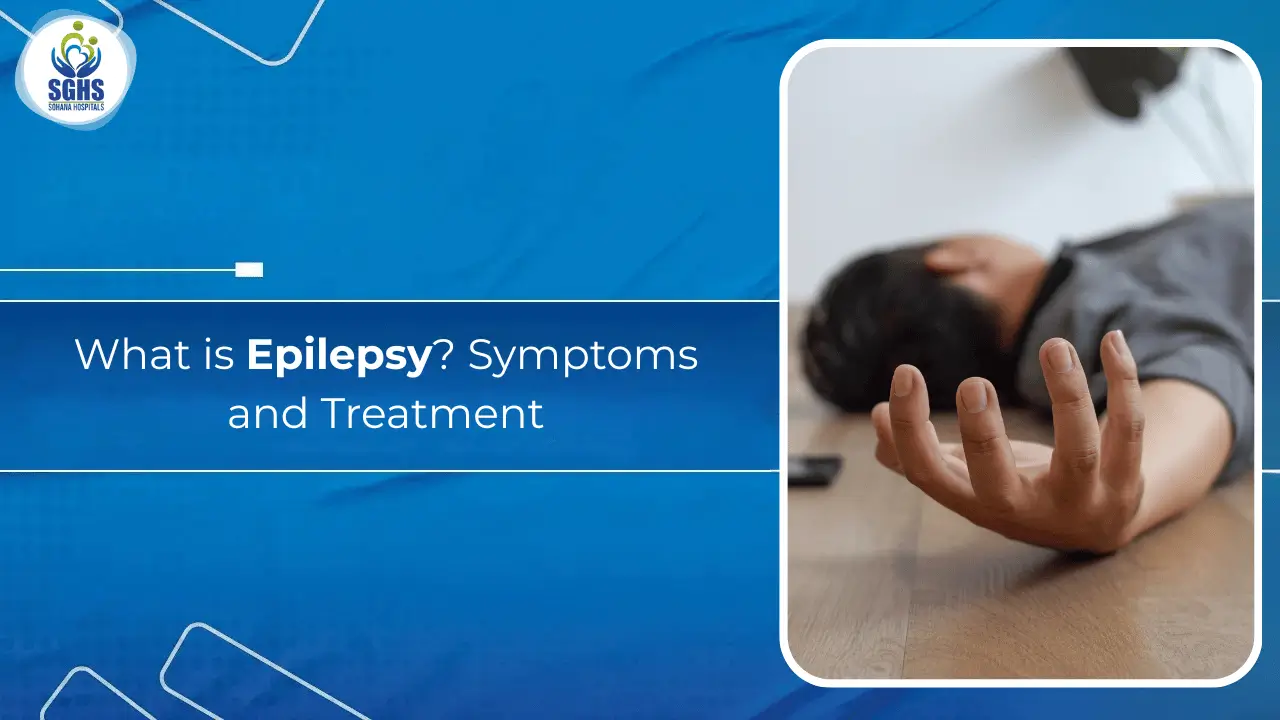
Epilepsy (also called seizure disorder) is a condition that affects the brain and results in seizures (or fits). It is one of the most common neurological disorders in the world, and can occur in people of all ages.
Epilepsy is not just one disease, but a group of disorders in which the patient suffers repeated seizures. The seizures are caused by sudden and uncontrolled abnormal electrical activity in the brain.
Seizures may affect a person’s movement and muscle control, consciousness, emotions, and behaviour. With proper treatment and management, many people with epilepsy are able to lead full and active lives.
It is important to note that a single seizure does not indicate epilepsy. The condition is often diagnosed if a person has two or more unprovoked seizures with a minimum time gap of 24 hours.
What are Epilepsy Symptoms?
The predominant symptom of epilepsy is having seizures.
Here’s how to identify a seizure:
- Body getting floppy or stiff
- Falling down suddenly
- Uncontrollable jerking or twitching in the body, arms and legs
- Inability to control urine
- Loss of awareness regarding surroundings
- Staring spells
- Temporary speech loss
- Inability to respond normally
- Strange sensations or feelings (e.g. unusual smells, vision changes, anxiety, fear, deja vu, tingling, or numbness)
- Confusion and unusual behaviour (fidgeting around, being unaware of one’s own behaviour)
Some other epilepsy-seizure facts:
- Seizure duration: A few seconds to a few minutes
- Memory of seizure: Patient may or may not remember having a seizure
- Age: Symptoms most commonly appear in young children and individuals aged above 50, although epilepsy can occur at any age
- Subtle signs: Brief confusion, unusual changes in mood, or repeated episodes of lapses in memory
- Recovery: Some patients may recover immediately. Others may feel exhausted, confused, or weak for longer durations (minutes or even hours)
What is Epilepsy Treatment?
Epilepsy treatment aims at the prevention of seizures, the effective management of underlying causes, and the improvement of the patient’s quality of life. Treatment is generally effective, especially when it starts early.
Medication for Epilepsy
- Neuro experts at Sohana Hospital prescribe antiseizure medicines for the prevention of seizures or controlling their frequency.
- Medication typically depends on the type of seizure, the patient’s age, and other factors.
- While most patients respond well to one medication, others may need a combination of drugs.
Lifestyle Modifications
- Enough Sleep: Not getting adequate sleep is a major trigger for seizures. Maintaining a regular sleep schedule can help reduce the frequency of seizures.
- Managing Stress: Stress-related triggers can be managed with yoga, meditation, counselling, and other techniques.
- Diet: Special diets like ketogenic diets have been found to be beneficial for some patients, especially in specific types of childhood epilepsy or in cases where medications do not work.
Surgery
If a patient does not respond to epilepsy medication, brain surgery may be required to remove or isolate the seizure focus. Two examples of such surgeries include temporal lobe resection and lesionectomy. These procedures may help reduce or prevent seizures.
Devices for Neurostimulation
In some patients where surgical intervention is not an option, special devices may help regulate anomalous electrical activity in the brain. Vagus nerve stimulator (VNS) or responsive neurostimulation (RNS) are two such neurostimulation devices.
Additional Therapies
Although evidence varies, complementary techniques such as acupuncture, biofeedback, and music therapy can offer additional support to the patient. However, these therapies should not be used as standalone treatments, but continue along with standard medical interventions.
When to See a Doctor?
Multiple Unprovoked Seizures: If you or a loved one has multiple incidences of unprovoked seizures, it is vital to consult a trusted neurologist. With proper diagnosis and treatment, up to 70% of epilepsy patients may lead a life free from seizures.
Persistent Uncertainty: Sometimes, cardiac (heart) issues, other mental conditions, or even fainting may result in seizure-like symptoms. A thorough assessment helps diagnose the right underlying cause so that the patient can get treatment accordingly.
Medication Queries or Side Effects: Those already taking medication for epilepsy should stay in regular touch with their doctor. This is essential for monitoring any side effects and ensuring the treatment is effective.
Sohana Hospital, a reputed super-speciality hospital. Here, you can consult the best neurologists in Chandigarh, who are known for providing personalised epilepsy treatment for the best outcomes. Advanced diagnostic tools coupled with the latest treatment strategies and compassionate care help control epilepsy seizures so that patients can lead a normal life.
Conclusion
Epilepsy is a complex condition of the brain associated with diverse symptoms ranging from mild awareness lapses to severe seizures. Understanding these symptoms, what triggers epilepsy attacks, and various treatment approaches empowers individuals and families to effectively manage this neurological condition.
Although a cure is yet to be found, modern treatment strategies make epilepsy highly treatable, allowing affected individuals to lead a normal life again.
The key lies in early diagnosis and personalised management. Doubtful that you or someone known to you has epilepsy? We advise you to seek professional advice without delay. The right treatment, be it through medication, lifestyle modifications, or surgical intervention, can hugely enhance the outlook for those living with the condition.
Frequently Asked Questions
1. Can epilepsy be cured completely?
Epilepsy may not always be curable. But the good news is that it can be very well managed and controlled in a majority of cases. With the right diagnosis and customised treatment plans, many patients live long, active, and seizure-free lives. Sohana Hospital, Mohali, has been delivering par excellence outcomes when it comes to epilepsy treatment and control.
2. What are the early warning signs of epilepsy?
Early symptoms can include sudden blackouts, unexplained staring spells, jerky movements in the body, confusion, or brief loss of awareness. Should you notice any such sign, get a neurological evaluation without delay.
3. Is epilepsy a lifelong condition?
Not necessarily. Some people experience seizures only for a limited period and may eventually stop medication under the expert medical guidance of the best neurologist in Chandigarh. Others may need long-term treatment. However, with proper care, epilepsy may stop affecting one’s quality of life.
4. How is epilepsy treated?
At Sohana Hospital, Mohali, we provide tailored treatment approaches. Treatment usually starts with anti-epileptic medications, which help control seizures in the majority of patients. In other cases, advanced therapies like dietary management, nerve stimulation, or surgery may be considered.
5. Can a person with epilepsy live a normal life?
Yes. As per the WHO, up to 70% of individuals with epilepsy can lead a normal life, provided they get a timely diagnosis and appropriate treatment. With the right medications, lifestyle adjustments, and regular medical follow-ups, most people with epilepsy study, work, travel, and lead fulfilling lives. Early diagnosis and consistent care can make a significant difference.