
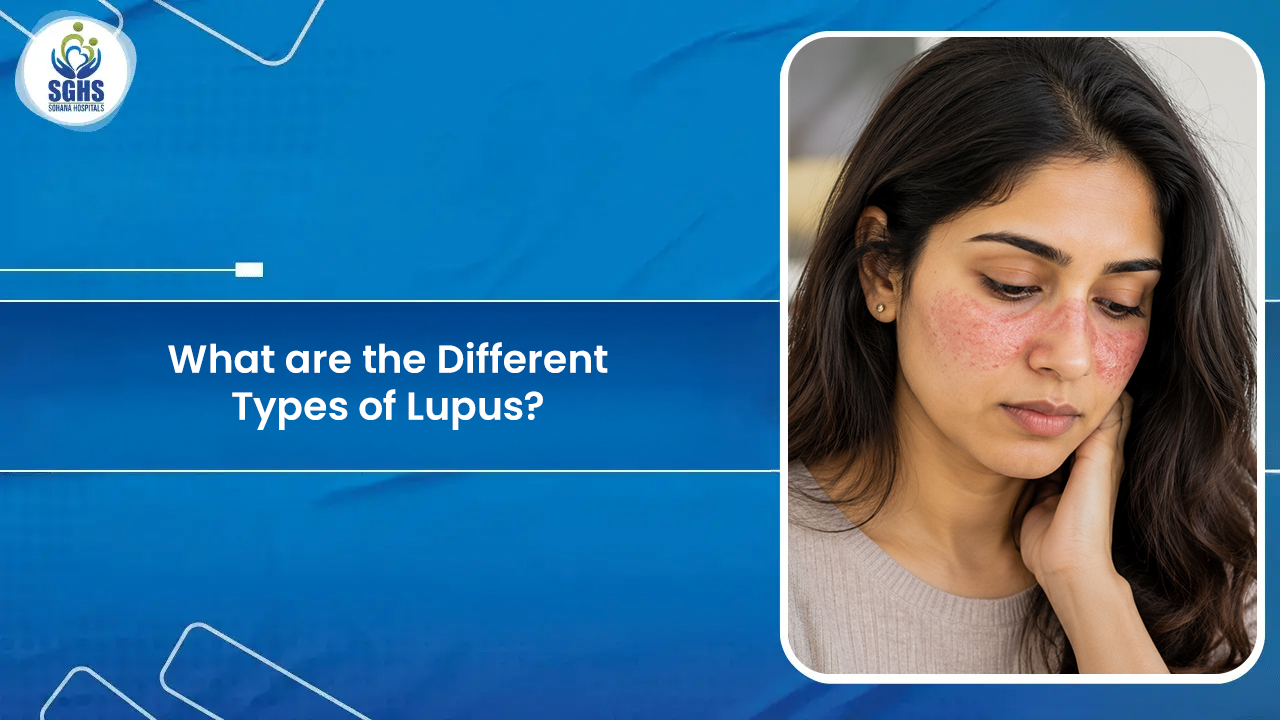
Lupus symptoms can often mimic many other conditions. This often makes it difficult to diagnose. However, knowing the various types of lupus can help in the identification of the condition more easily.
There are 4 main types of the condition. In this blog, we are going to discuss the different forms, their common signs, and potential treatment & management options of the condition.
What is Lupus?
Lupus is a chronic autoimmune condition. It is when the body’s immune system fails to differentiate between foreign bodies, such as bacteria or viruses, and its own healthy tissues. This may cause the immune system to attack the body’s healthy cells instead of the bad bacteria and viruses. This leads to inflammation and other symptoms.
At least 5 million individuals have lupus across the globe[1]. The symptoms of this disease, depending on the form and intensity of the condition, can range from mild to serious.
Types of Lupus
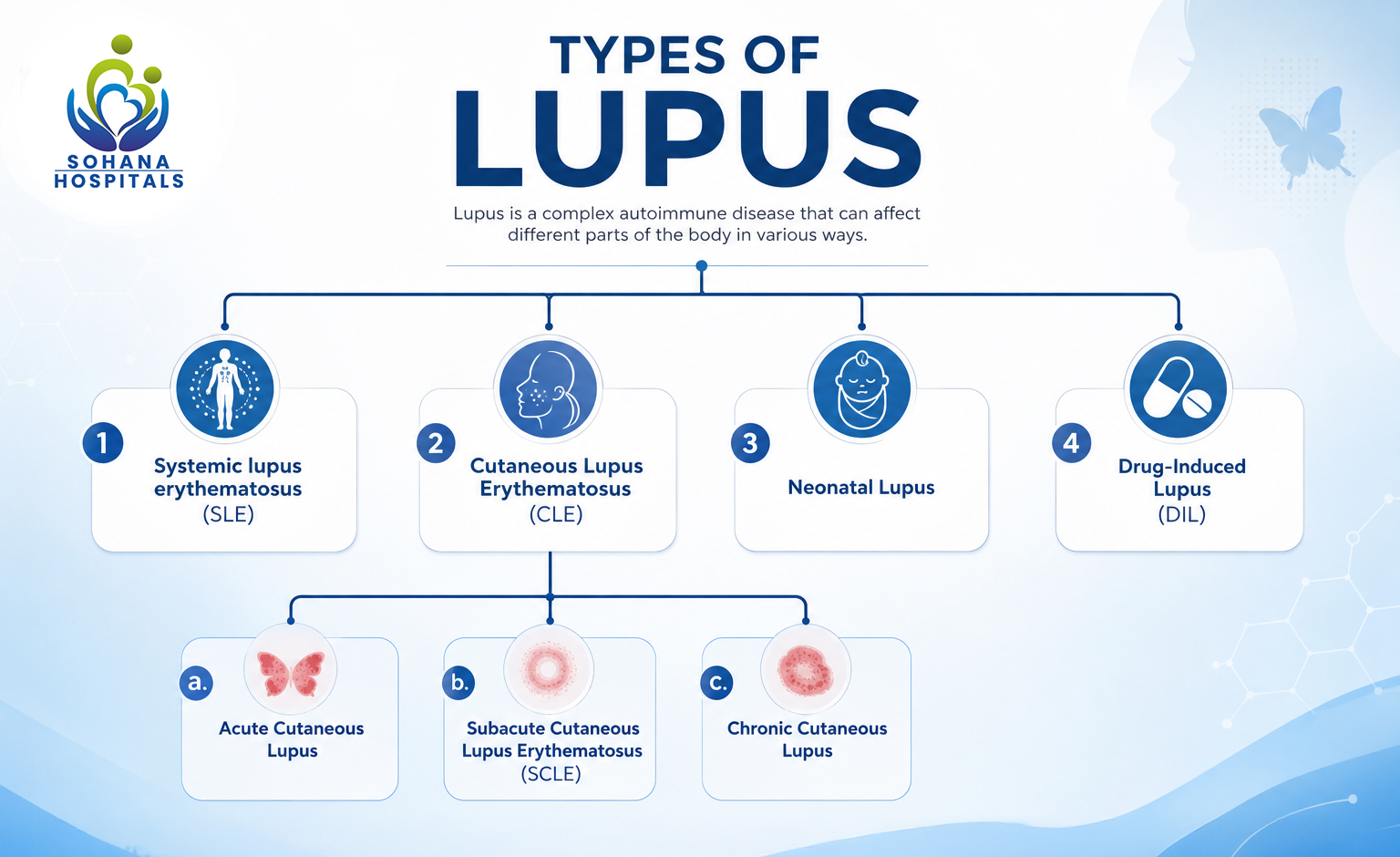
Systemic Lupus Erythematosus (SLE)
Systemic lupus erythematosus is one of the most commonly found forms of the condition. Women between the ages of 15 and 44 are more prone to developing SLE. However, it can affect anyone, regardless of their age.
The exact cause of SLE has not been determined yet. But experts believe that there could potentially be a link between lupus’ development and certain hormonal, genetic, and environmental factors.
Some of the most common symptoms include:
- Skin rashes
- Joint pain or swelling
- Fatigue
- Sensitivity to direct sunlight
- Arthritis
- Ulcers in the mouth
- Unexplained fever
- Kidney, heart, or lung issues
- Seizures
- Memory problems
- Abnormal blood cells
SLE can seriously hamper an individual’s mental and physical functioning, impacting their quality of life. Early detection and treatment help reduce the chances of major complications or organ damage from the disease.
👉 Also read: Difference between Lupus & Rheumatoid Arthritis
Cutaneous Lupus Erythematosus (CLE)
CLE is a form of lupus that primarily affects the skin. It can be connected to SLE in multiple ways. Individuals affected by CLE might not experience additional symptoms of SLE; however, they can go on to develop SLE.
CLE can be categorised into 3 subtypes based on how the condition affects an individual’s skin.
Acute Cutaneous Lupus
Acute cutaneous lupus refers to a type of skin rash that is accompanied by other lupus symptoms. The condition tends to develop and become noticeable quickly, but it does not last too long.
Generally, every person who develops acute cutaneous lupus also experiences symptoms of SLE. It is primarily characterised by the typical butterfly rash (across cheeks & nose) often seen in people with lupus. This is the localised form of the condition.
The generalised version of this can lead to discoloured and raised rash all over the body.
Subacute Cutaneous Lupus Erythematosus (SCLE)
SCLE can be described as a rash accompanied by red or discoloured scaly patches or ring-shaped sores. It generally affects the arms, chest, and back. But it can even extend down to the individual’s buttocks.
The rash does not scar, but it may leave the skin slightly discoloured. This condition can be a complication of SLE or occur on its own.
Chronic Cutaneous Lupus
There are many subtypes under this form, but the most common aspect is that they all last a long time. They can also cause permanent scarring on the skin.
The most widely found type is discoid lupus. As the name suggests, it causes a disc-shaped rash, typically on the scalp and face, but it can also affect the entire body.
👉 Also read: Scleroderma: Symptoms, Causes & Treatment
Neonatal Lupus
This is a very rare condition. It presents at birth and occurs due to certain antibodies that are passed on to the child from its mother.
💡 Note: These antibodies can be passed to the foetus even if the pregnant mother does not have lupus.
🚨 Neonatal Lupus can cause alarming complications like a congenital heart block.
A congenital heart block refers to an interference in the heartbeat inside the chambers of the heart. The severity of this condition can be different in every affected infant.
The most apparent symptom of the condition is a skin rash that resembles an SLE rash. It generally consists of red or discoloured, ring-shaped lesions – but temporary. The rash is usually found on the scalp or face.
While most symptoms of this form of the condition are temporary, the congenital heart block is a permanent condition that may warrant the need for a pacemaker.
Drug-Induced Lupus (DIL)
DIL is when an individual experiences SLE symptoms because of certain medications. It is generally much less severe than SLE and dissipates once the medication triggering it is stopped.
SLE and DIL bear resemblance in the skin rash seen in affected individuals.
Lupus Treatment & Management
Lupus is a chronic (lifelong) condition. Therefore, there is no fixed cure for it. However, with advancements in the field of medicine, there are multiple ways that help manage symptoms and prevent flare-ups through medication and lifestyle changes.
Medications include:
- Non-steroidal anti-inflammatory drugs (NSAIDs)
- Corticosteroids
- Biologics
- Surgery (in extreme cases, the condition can affect organs and damage them to the extent of warranting surgery)
Lifestyle changes for management of symptoms include:
- Learning the signs of a flare
- Avoiding excessive sun exposure
- Getting ample sleep and rest
- Following the prescribed medication routine
- Scheduling regular appointments with your doctor
Sohana Hospital has a team of expert rheumatology doctors who collaborate with other departments and follow a multidisciplinary approach to treatment for every patient. Advanced diagnostics and modern treatment facilities ensure all patients receive quality care at affordable prices.
If you or a loved one is experiencing symptoms of any of the above-mentioned forms of lupus, schedule an appointment with us at the earliest and start your recovery journey.
Reference Source(s):