
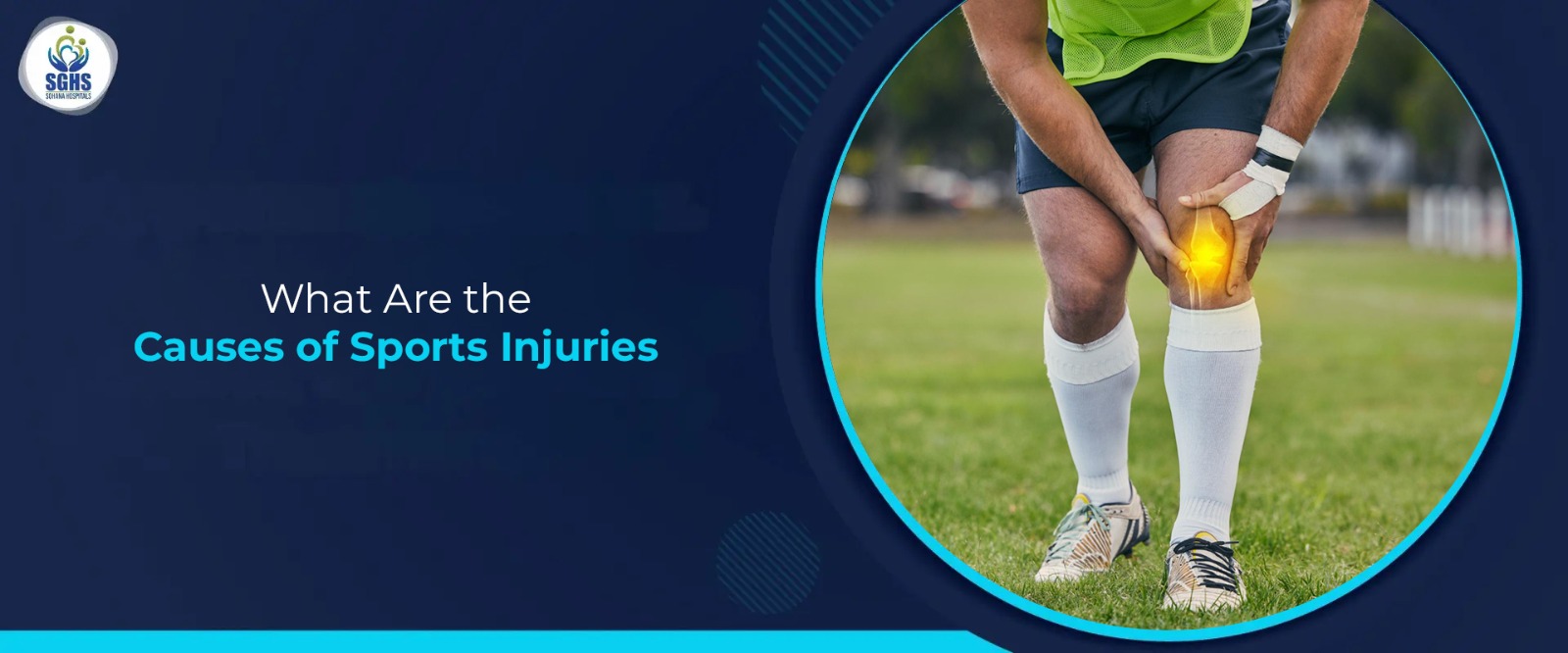
What do most youngsters do to stay fit? Participate in outdoor sports or hit the gym. Sports and physical activities are essential to maintaining physical fitness, strength, and mental well-being.
However, everything requires a certain amount of caution. When we talk about sports, improper techniques, overtraining, or lack of precautions can lead to sports injuries.
Which body parts can sustain sports injuries? Sports injuries can affect your muscles, ligaments, joints, bones, and tendons. This may result in pain, swelling, and restricted movement.
👉 Did you know? Rachin Ravindra, an all-rounder cricketer from New Zealand, got his forehead seriously injured after being struck by a ball during a warm-up match against Pakistan in Lahore. And it happened fairly recently – in February 2025
In this blog, we intend to enlighten you about the common causes of sports injuries. With this knowledge, you can help prevent them and stay safe and active.
1. Lack of Proper Warm-Up and Stretching
Ever noticed people warming up their vehicles before they start driving them, especially in cold weather? It helps oil circulate for improved lubrication, reduces engine wear-and-tear, enhances fuel efficiency, etc.
Similarly, proper warming-up exercises and stretching are essential to prepare the body for participation in sports. It is a part of healthy conditioning. A proper warm-up improves blood flow, enhances flexibility, and prepares the body for physical activity, reducing the risk of injury.
If you skip warm-up exercises, it can make muscles stiff and less flexible. The result? Cold muscles are susceptible to tear or strain during sudden movements. It may also result in muscle imbalances and a gradual weakening of muscles, bones, tendons, and ligaments.
Pro Tip: Make sure you warm up before you start playing.
2. Overtraining and Repetitive Stress
Why do they say – excess of everything is bad? Well, when it comes to sports, training too hard or too frequently without enough rest can lead to overexertion of muscles and joints. Sports that involve repetitive movements, such as running, jumping, or throwing, can result in overuse injuries like tendonitis, stress fractures, and muscle fatigue.
Giving your body adequate rest by taking breaks or including rest days in your sports regimen is essential for muscle recovery and repair. It is a part of effective rehabilitation.
Another factor here is rushing back to sports without allowing a previous injury to heal properly. This increases the likelihood of reinjury.
Pro Tip: Get enough rest. If returning from an injury, make sure to gradually increase your training intensity with proper guidance from the coaching staff to rebuild strength in the affected area.
3. Poor Technique and Wrong Posture
You may be concerned about the end result, but in sports, the means to that result are also paramount. Incorrect body alignment, faulty lifting techniques (e.g., in weight-lifting sports), or improper posture while running put extra stress on certain muscles and joints. Over time, this imbalance can put you at risk of sprains, strains, and joint injuries.
Pro Tip: Learn the correct technique for your specific sport from a trained coach or physiotherapist.
4. Inadequate or Improper Equipment
What kind of shoes would you wear for rock climbing? You will be surprised to know that, depending on the type of rock and its surface (vertical or sloped), rock climbers are supposed to wear different kinds of shoes!
The crux? Wearing improper or worn-out shoes, ill-fitting protective gear, or using faulty sports equipment increases the risk of slips, falls, and impact injuries. Proper footwear provides cushioning and support, while safety gear protects vulnerable areas like knees, elbows, and head.
Pro Tip: Be particular about sports gear and equipment.
5. Weak Muscles and Poor Flexibility
Some people may be inherently weak and suffer from muscle weakness or tightness. This reduces stability and increases strain on joints. When supporting muscles are weak, ligaments and tendons tend to absorb extra pressure, leading to injury.
In sports like running or cricket, which are popular in India, weak core or leg muscles often contribute to knee or ankle injuries.
Pro Tip: Follow strengthening and stretching routines. Do targeted exercises like squats and planks 2-3 times weekly, along with daily dynamic stretches to build muscle support and flexibility around joints.
6. Dehydration and Poor Nutrition
Participating in sports without proper nutrition and hydration can result in loss of muscle mass and diminished muscle strength, raising the probability of sports injury.
Lack of fluids can lead to muscle cramps, dizziness, and fatigue, increasing the chances of sports injuries. Poor nutrition weakens muscles and slows down recovery.
Additionally, if your diet is low in carbohydrates – the major source of energy for your body, you may face exhaustion. Needless to say, this may also negatively affect your performance.
Pro Tip: Take a proper diet as advised by a certified sports nutritionist, and consume enough fluids.
7. Unsafe Playing Surfaces and Environment
What happens if you happen to step on a banana peel? You may end up in the hospital with a broken bone or two! Uneven grounds, wet floors, poor lighting, or extreme weather conditions increase the risk of falls and collisions, leading to sports injuries.
Pro Tip: Check surfaces before you start playing. Inspect playgrounds or fields for unevenness and wetness. Postpone games during poor lighting or rainy weather. And yes, wear proper footwear.
Conclusion
Most sports injuries are preventable with proper preparation, correct technique, adequate rest, hydration, and safe equipment. Listen to your body and seek early medical advice to prevent minor injuries from turning into serious problems.
At Sohana Hospital, there is a dedicated team of orthopaedic specialists who hold expertise in treating all kinds of sports injuries, from sprains and strains to bone fractures. While some injuries can be treated with minimally invasive treatments like arthroscopy and stem cell therapy, others may require surgery – to ensure lifelong mobility and enable you to get back to an active lifestyle once again.
Follow the tips mentioned in the blog for an injury-free sporting life!
FAQs – Sports Injuries
1. What are the main types of sports injuries?
Sports injuries can be acute (sudden trauma like sprains, fractures, strains) or chronic/overuse (repetitive stress like tendinopathy, stress fractures) affecting bones, muscles, ligaments, or joints
2. Which hospital should I visit for a sports injury?
Sohana Hospital, Mohali, is a super-speciality hospital with the best orthopaedists in Chandigarh. The hospital boasts the most advanced diagnostic facilities and cutting-edge treatment options. Whatever the kind of your sports injury, you will get the most appropriate treatment according to the nature and severity of the injury. Arthroscopy, stem cell therapy, and different kinds of surgical options – everything is available at the hospital.
Treatment depends on the nature of the injury. Mild injuries may be treated with the RICE formula (Rest, Ice, Compression, Elevation). Others, like ACL tears, may require medicines, physiotherapy, or surgery, and tailored rehab.