
*हिंदी में पढ़ें: रूमेटाइड आर्थराइटिस के अनदेखे और असामान्य लक्षण
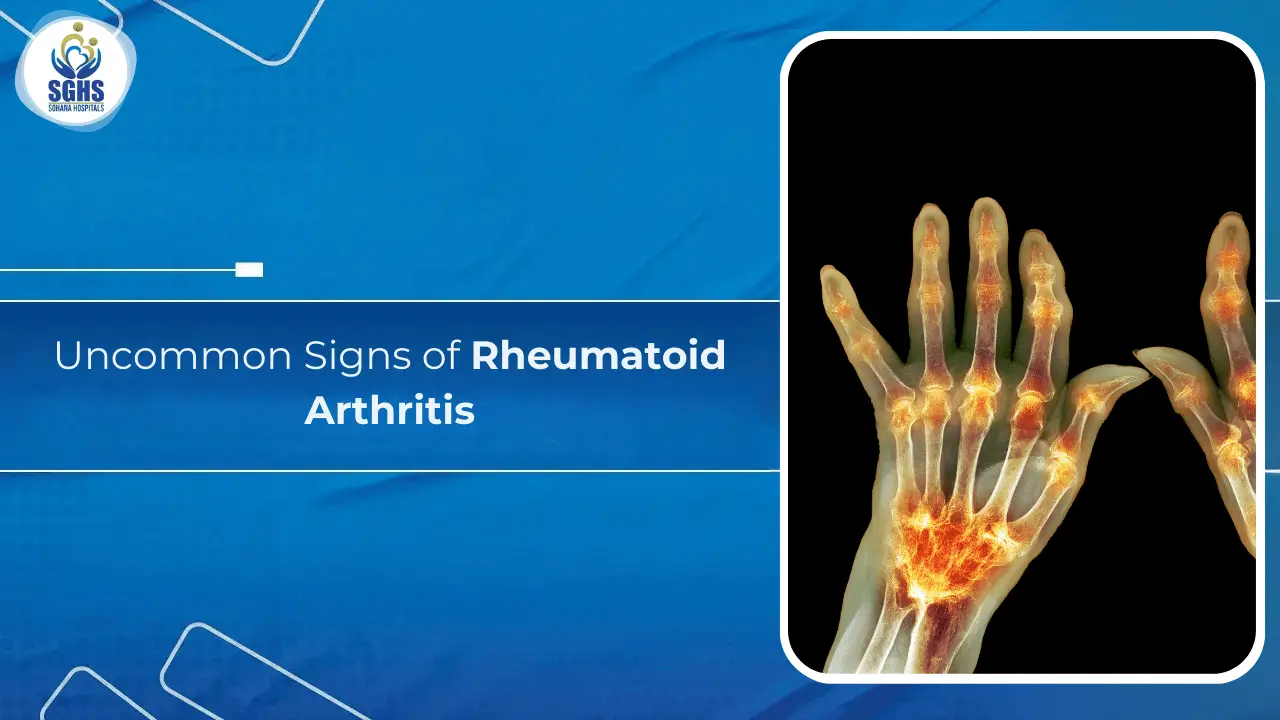
Rheumatoid arthritis (RA) is primarily considered a condition that only affects the joints, leading to stiffness, swelling, and pain. However, this autoimmune disease impacts multiple parts of the body and can present symptoms that many affected individuals do not commonly associate with arthritis.
Recognising such symptoms is crucial for timely detection and management, as it may help prevent long-term joint damage.
While joint pain is the most common sign of RA, the condition also affects the skin, eyes, lungs, and nerves. Being aware of the lesser-known symptoms allows for timely medical intervention.
In this blog, we are going to discuss such symptoms to help you stay informed and alert.
Rheumatoid Arthritis
Let’s understand what rheumatoid arthritis really is: it is an autoimmune disease that primarily affects (but is not limited to) joint linings. RA causes chronic inflammation, stiffness, pain, and eventually joint damage if timely management strategies are missing.
RA typically:
- Affects joints on both sides of the body symmetrically
- Can develop at any age, 30-60 being the most common age bracket
- Affects multiple body systems
- Includes flare-ups and remission
Recognising RA symptoms can prevent joint damage, deformity, and disability.
Unusual Symptoms of Rheumatoid Arthritis
Hearing Difficulties
Many individuals don’t generally assume their hearing problems could have anything to do with RA. However, research shows a surprising link between the two.
Some RA patients experience:
- Gradual hearing loss
- Sensation of fullness in their ears
- Ringing that persists (tinnitus)
These symptoms are a result of inflammation in the tiny bones and joints inside the ear. Certain RA medications can lead to hearing issues. If you notice changes in hearing along with joint pain, stiffness, and inflammation, speak to your healthcare provider immediately.
As we always say, timely treatment can help prevent permanent damage.
Atypical Skin Problems
Skin problems constitute some of the most visible yet overlooked symptoms of RA.
These may include:
- Bumps under skin, near joints (rheumatoid nodules)
- Bruises
- Vasculitis
- Extremely red palms (palmar erythema)
- Slow-healing wounds
Eye Conditions
Eye problems are another set of uncommon RA symptoms. RA can affect the eyes in multiple ways.
Some of them include:
- Sensitivity to light
- Blurry vision
- Redness or irritation
- Persistent feeling of dry, gritty eyes
- Eye pain
These symptoms typically occur because the same inflammatory process that attacks joints can also negatively impact the tissues in and around the eyes. Routine eye check-ups, early detection, and timely management can help prevent vision impairment or vision loss in RA patients.
Oral Health Issues
Oral health and RA are more interconnected than you may think. Individuals with RA have a higher risk of gum disease. Certain oral bacteria may even trigger RA symptoms in those genetically predisposed. Warning signs include:
- Tender, swollen, or bleeding gums
- Bad breath (persistent)
- Receding gums
- Loose teeth
Regular dental appointments are a must if you have RA.
Respiratory Problems
Rheumatoid arthritis can also affect lung health. Here are some negative impacts RA can have on your lungs:
- Inflammation in the lung lining (leads to chest pain)
- Scarring of lung tissue
- Shortness of breath
- Dry cough
- Small airway obstruction
Any breathing difficulties alongside joint pain and swelling must be addressed and treated promptly, especially if the affected individual has a family history of autoimmune diseases.
Unexpected Weight Changes
RA can also be accompanied by unexpected body composition changes that cannot be explained by simply weight gain or loss. Some signs include:
- Increased fat-to-muscle ratio
- Muscle-mass loss
- Metabolic changes
These changes are a result of inflammatory processes and cytokines (inflammatory proteins) affecting muscle maintenance and metabolism.
Neurological Signs
RA can have adverse impacts on the nervous system as well. It can lead to symptoms like:
- Carpal tunnel syndrome
- Numbness/tingling in hands or feet
- Headaches
- Cervical spine issues
- Dizziness or loss of balance
These symptoms occur as a result of inflammation affecting nerves, either directly or through pressure from swollen tissues. Timely detection and treatment can prevent severe nerve damage.
Fatigue & Disrupted Sleep Cycle
Fatigue is a common symptom of many autoimmune diseases. Research shows that RA makes affected individuals more prone to sleep disturbances, resulting in poor rest quality. These disturbances susbsequently increase the risk of sleep disorders. Some common sleep issues include:
- Restless leg syndrome
- Sleep apnea
- Difficulty staying or falling asleep
- Non-restorative sleep quality (feeling unfresh even after a full night of sleep)
Such sleep disturbances must be addressed, and their management should be incorporated into the comprehensive course of treatment for RA.
Mood & Cognitive Changes
Rheumatoid arthritis and cognitive function are being increasingly recognised and addressed by researchers. Some common signs of cognitive or mood changes caused by RA include:
- Brain fog (difficulty concentrating)
- Memory issues
- Cognitive fatigue
- Mood changes (anxiety or even depression)
These symptoms are often a result of medication side effects, chronic pain, brain inflammation, and emotional stress. Addressing these issues through a combination of therapy and comprehensive RA treatment can help prevent cognitive decline.
When to Visit a Doctor?
You must visit a rheumatologist in Chandigarh if you experience any of the above-listed unusual symptoms alongside persistent joint pain. Sohana Hospital boasts an excellent team of the best rheumatology doctors who specialise in diagnosing and treating a variety of autoimmune diseases.
Our team of experts collaborates with multiple departments, such as the orthopaedic and ophthalmic departments, to provide a completely personalised treatment plan for each patient’s unique requirements. A combination of advanced diagnostic tools, modern treatment facilities, and strict safety protocols helps us provide you with quality autoimmune disease care.