
Over the past 20 years, there have been radical changes in medical treatment, including the introduction of Interventional Radiology (IR), a new area of medicine utilising minimally invasive image-guided techniques for diagnosing and treating many diseases. As patients are moving to more efficient, safer, and less painful options for their treatment needs, the argument for and against the use of IR vs traditional modes of surgical intervention has risen considerably. Understanding the differences between the procedures will help patients make informed choices regarding their treatment plans, backed by varicose veins specialist in Mohali.
What is Interventional Radiology?
Interventional Radiology (IR) refers to the use of new forms of imaging (e.g., ultrasound, CT, MRI, or fluoroscopy) in order to help a physician guide small instruments through very small openings into the body, as opposed to using large traditional instruments with open incisions through the body. As opposed to using large incisions or creating large amounts of damage to the surrounding anatomy, IR procedures target the specific area of distress with great accuracy.
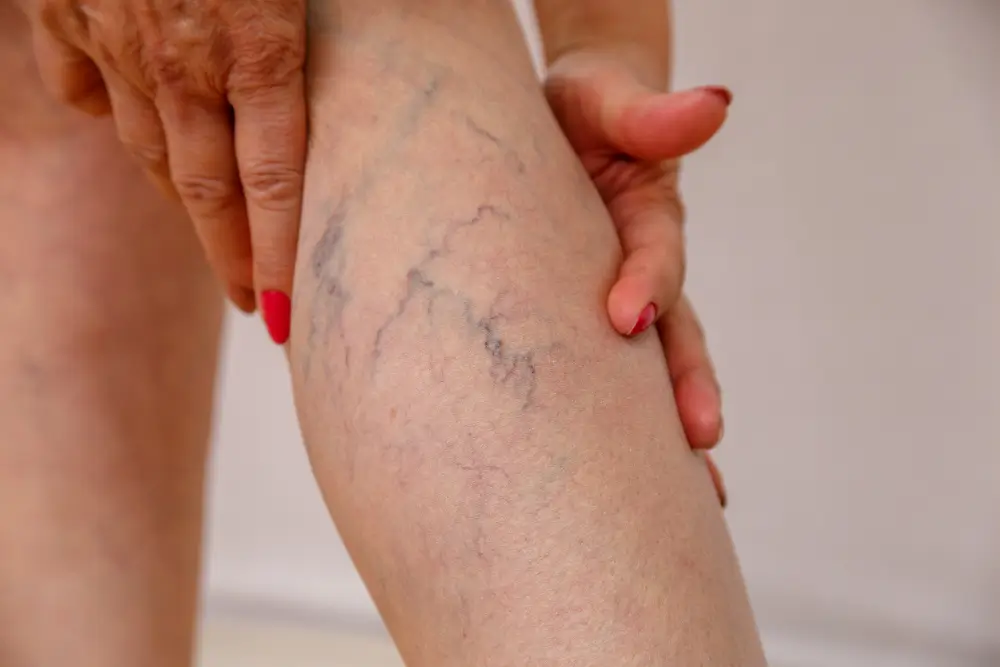
Some of the more common IR procedures performed are: angioplasty, stent placement, ablation of tumours, biopsy, embolisation of fibroids, treatment of varicose veins, and the drainage of internal infections.
Surgical vs. Interventional Radiology (IR)
In traditional surgical-type procedures. There are larger openings required for entry into the surgical site; there is usually general anesthesia (or a sedative), a longer inpatient hospital stay, and a more extended recovery period compared with interventional radiology (IR), which is performed with local anesthesia (or mild sedation) and can allow patients to go home the same day as their procedures.
Some differences between IR and traditional surgery
- Smaller Openings, Much Less Trauma
According to the best interventional radiology hospital, traditional surgery generally requires cuts (openings) that are several inches long, compared to those found in IR; typically, the incisions are 2–3 millimeters in size. Therefore, patients experience much less pain, minimal bleeding, and a much lower risk of infection.
- Speedy Recovery: Sometimes in Hours
Open surgery may mean a longer stretch of downtime; often, IR will allow many patients to resume their normal activities within days and sometimes even only 24 hours later. This speedy recovery process also relieves emotional strain and lets patients keep their permanent job structure.
- Very High Degree of Accuracy
IR procedures are performed with real-time imaging techniques; therefore, the physician can access the site where the patient’s underlying issue is located without cutting through layers of healthy tissue first. This is especially helpful for the treatment of tumors, blood vessel issues, or organ-related complications where accuracy is vital.
- Lower Chances of Complications
Complications associated with traditional surgical techniques include possible loss of blood, infection, scarring, and complications associated with anesthesia; however, Interventional Radiology (IR) reduces these possibilities significantly due to its minimally invasive procedure. Patients who have been diagnosed with diabetes, heart problems, or other diseases of the immune system may benefit greatly from this type of treatment.
- Ideal for Patients Who Cannot Undergo Surgery
Many elderly, multi-comorbidity, and high surgical risk patients have found Interventional Radiology (IR) to be an alternative to conventional surgical procedures, as IR can provide them with the same therapeutic gain without the inherent risks associated with major surgical procedures.
If you are looking for the best interventional radiologist in Tri-city or the varicose veins specialist in Mohali, Sohana Hospital might just be the top destination for you. Sohana Hospital Mohali is home to the World’s most advanced technology and North India’s most trusted and experienced team of expert radiologists who provide the most comprehensive care to the patients in the region. Book your appointment today!