
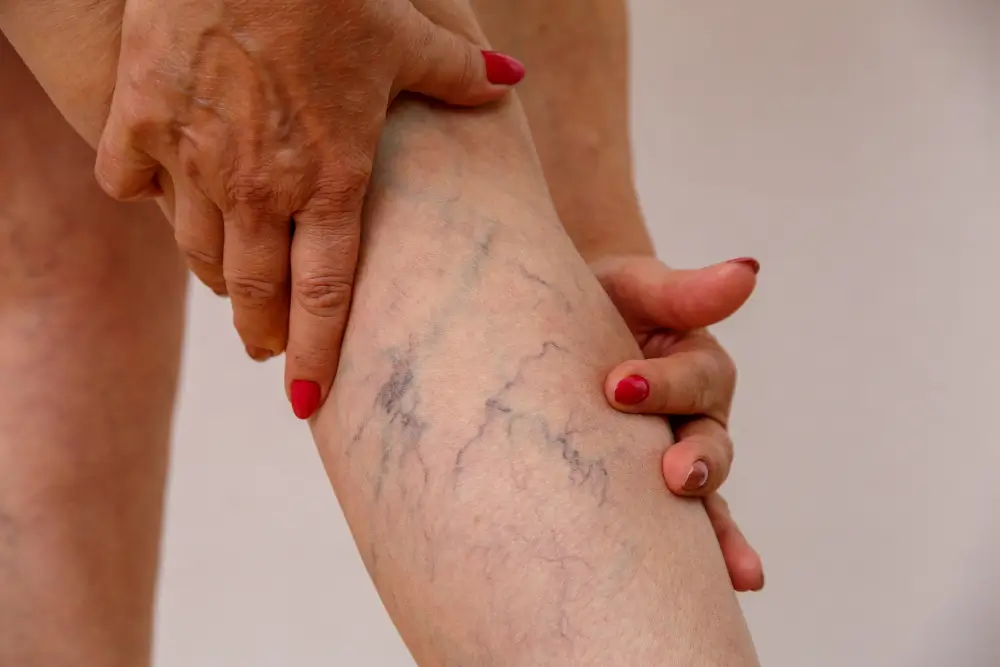
Varicose veins are most commonly thought of as a cosmetic problem; however, the reality is that they are also a problem affecting how well blood moves through the body and, in turn, will impact your overall health. Varicose veins are enlarged, twisted veins found most often on the legs and develop due to an abnormality of the valves inside the veins that cause disruption of normal blood flow. While many people with varicose veins will experience only limited discomfort, if left untreated for long periods of time, the resultant complications can be very serious. In this article, we will discuss varicose veins and their effect on general health in detail, backed by best interventional radiologist.
How Do Varicose Veins Affect Blood Flow?
In healthy veins, blood can flow toward the heart against gravity due to the use of one-way valves. In varicose veins, the valves are not closing, so blood will not move forward through normal means; instead, more and more blood will continue to build up (increase in blood pressure) within the varicose vein; as the blood continues to build, it will stretch the varicose vein until they become so large, they are visible beneath the surface of the skin.
Poor blood flow associated with having varicose veins can result in many symptoms. Some of the symptoms you might experience are:
- Heaviness or ache in your legs
- Swelling, particularly after standing or sitting for a prolonged period
- Throbbing, cramping, or burning sensations in your legs
- Restlessness in your legs; often this happens at night
Over time, the lack of blood flow will continue to worsen these symptoms, making it increasingly difficult to carry out daily activities and decreasing your overall quality of life.
Consequences of Varicose Veins on General Health
As per the best interventional radiologist, if left untended, varicose veins may give rise to serious other health issues:
- Chronic Venous Insufficiency (CVI)
When blood continues to pool in the lower leg, it can ultimately lead to a condition called chronic venous insufficiency (CVI), in which the veins are unable to effectively return blood to the heart. Symptoms include persistent swelling, skin changes, and discomfort.
- Skin Changes and Ulcers
Decreased circulation will ultimately result in decreased supply of oxygen and nutrients to the skin. Therefore, the skin surrounding the ankles can develop dryness, itching, a darkened color, and thickening of the skin. In more severe instances, venous ulcers (slow-healing and open sores) may develop and create an increased risk of infection.
- Blood Clots
Having varicose veins increases the chance of having superficial thrombophlebitis, which occurs when a blood clot develops within a surface vein, causing redness and pain in that area. While uncommon, blood clots can develop in the deeper veins as well, presenting an urgent problem that requires medical treatment as soon as possible.
- Decreased Ability to Move and Fatigue
Persistent pain, discomfort, and swelling will decrease mobility, make it difficult to participate in physical fitness, and contribute to feelings of fatigue. Decreased ability to move will further limit circulation and create an ongoing cycle that negatively impacts overall health.
If you are experiencing symptoms of varicose veins, you must look out for interventional radiology hospital, or the best varicose veins specialist in Mohali. Sohana Hospital Mohali consists of the world’s most advanced, cutting-edge technology and Tri-city’s most trusted varicose veins experts who provide complete relief against the symptoms. Book your appointment today!