
During Cancer Awareness Month, hospitals and healthcare institutions across the world highlight the importance of early detection, screening, and timely treatment. At Sohana Hospital, awareness is not limited to campaigns or symbolic gestures. Instead, it is often seen in the quiet, emotional moments inside consultation rooms in hesitant voices, worried expressions, and a question that oncologists hear repeatedly: “Doctor, I’m afraid to do a biopsy. What if it spreads cancer?”
According to Dr. Nitish Garg, Consultant Medical Oncology at the hospital, this fear is one of the most common concerns patients bring to their appointments. The word biopsy can sound intimidating, but really it just involves inserting a needle or performing a small surgical intervention to obtain tissue from a suspicious lump or lesion. For many patients, the idea of physically disturbing a tumor creates anxiety, followed by the stressful wait for diagnostic results.
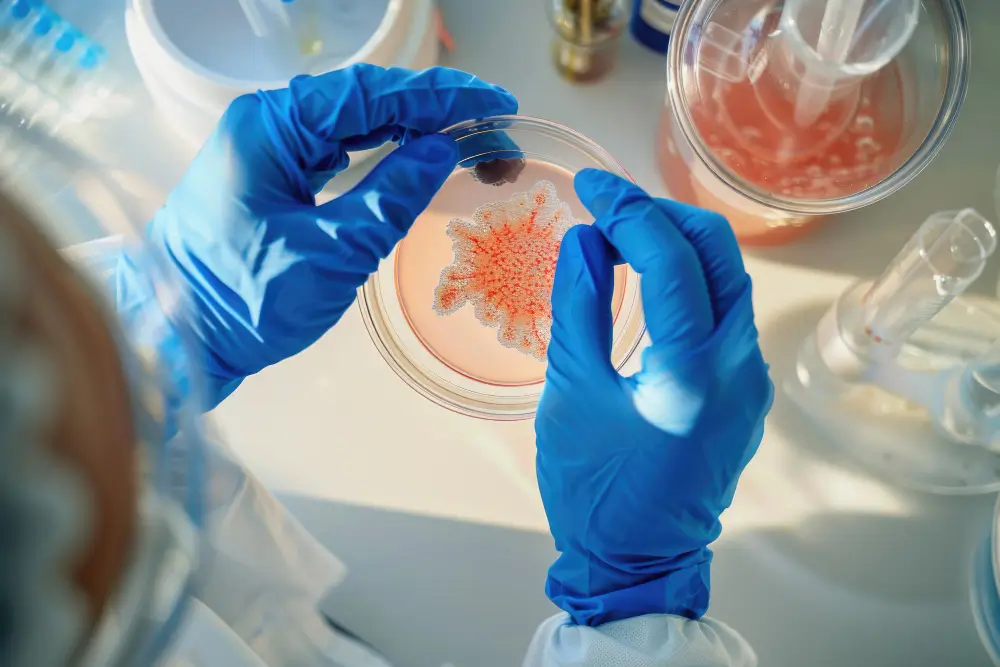
However, oncologists emphasize an important truth: biopsies do not spread cancer. What they do spread is clarity. The belief that biopsies allow cancer to “escape” and spread through the body has existed for decades. Despite significant advances in medical science, this misconception continues to influence patient decisions, sometimes leading to dangerous delays in diagnosis.
Modern biopsy procedures are carefully designed to ensure safety and precision as these are specially engineered to collect tissue samples while minimizing disturbance to surrounding structures. In most cases, these procedures are performed under imaging guidance such as ultrasound, CT scans, or mammography, allowing doctors to target the suspicious area with exceptional accuracy.
When surgical biopsies are required, they follow strict medical protocols developed through years of research and clinical practice. These protocols are designed not only to obtain accurate tissue samples but also to protect patients from unnecessary risks. Extensive medical research and decades of clinical data consistently show that biopsies do not worsen cancer outcomes.
Globally accepted treatment guidelines from organizations such as the American Cancer Society and the World Health Organization strongly recommend tissue diagnosis before beginning definitive cancer treatment. Without a biopsy, doctors cannot confirm the exact nature of a tumor or determine the most effective treatment plan. Simply put, modern cancer care depends on accurate tissue diagnosis and biopsies make that possible.
What Actually Causes Cancer to Spread
Cancer spreads because of its biological and anatomical nature, not because of diagnostic procedures. Malignant cells carry genetic mutations that allow them to grow uncontrollably and invade nearby tissues, blood vessels, and lymphatic channels. This natural progression is what leads to metastasis.
When a suspicious lump is left undiagnosed and untreated, aggressive cancers have more time to grow and spread. In this context, avoiding a biopsy due to fear can be far more dangerous than the procedure itself. Delayed diagnosis often results in delayed treatment and delay is one of the most significant factors affecting cancer outcomes.
Cases encountered at Sohana Hospital illustrate the importance of timely diagnosis. Not long ago, a woman in her early 40s visited the oncology department after discovering a small lump during a routine self-examination. Initial imaging suggested the possibility of a benign condition, but uncertainty remained. Like many patients, she was hesitant about undergoing a biopsy, with young children at home and a demanding career, the thought of an invasive procedure and a possible cancer diagnosis felt overwhelming. After careful discussion, doctors recommended a minimally invasive core needle biopsy. The results revealed an early-stage but aggressive cancer one that was highly treatable because it had been detected in time.
Years later, she continues to return for routine follow-up visits. Her children have grown taller, her life has regained its normal rhythm, and the timely biopsy played a crucial role in that outcome. Rather than spreading the disease, the biopsy exposed it early enough for effective treatment.
Why Biopsies Are Essential in Modern Cancer Care
Cancer is not a single disease but a complex group of hundreds of conditions, each with unique characteristics. Today’s cancer treatments are no longer based solely on where a tumor originates in the body, instead therapies increasingly target the molecular and genetic features of a tumor. While imaging scans and blood tests provide valuable clues, they cannot definitively determine the exact type of cancer. Only a pathologist examining cells under a microscope can provide the precise diagnosis needed to guide treatment decisions. In many cases, a biopsy not only initiates life-saving therapy but also prevents patients from undergoing unnecessary treatments.
Awareness is not just simply cornered to a day but includes correcting harmful myths that prevent people from seeking timely care. Medical experts stress a simple but crucial message: biopsies do not fuel cancer growth, instead, they provide the knowledge doctors need to choose the right treatment, at the right time, for the right patient. And when it comes to cancer, timely action can make all the difference.