
Written By:
Dr. Akhil Monga
Consultant -Neuro & Vascular Interventional Radiology
Sohana Hospital, Mohali.
Experience: 15+ Years
Speciality: Diagnostic Radiology
Published:
Last Updated: 15/7/2026
Medically Reviewed:
2% to 73% of the global population is affected by Varicose veins, which makes it a viable amount to be aware of the condition. Varicose veins often lead to pain, swelling, and other discomforts. In this blog, we talk about the risk of varicose veins, causes, symptoms and the right treatment available for Varicose Veins.
What are Varicose Veins?
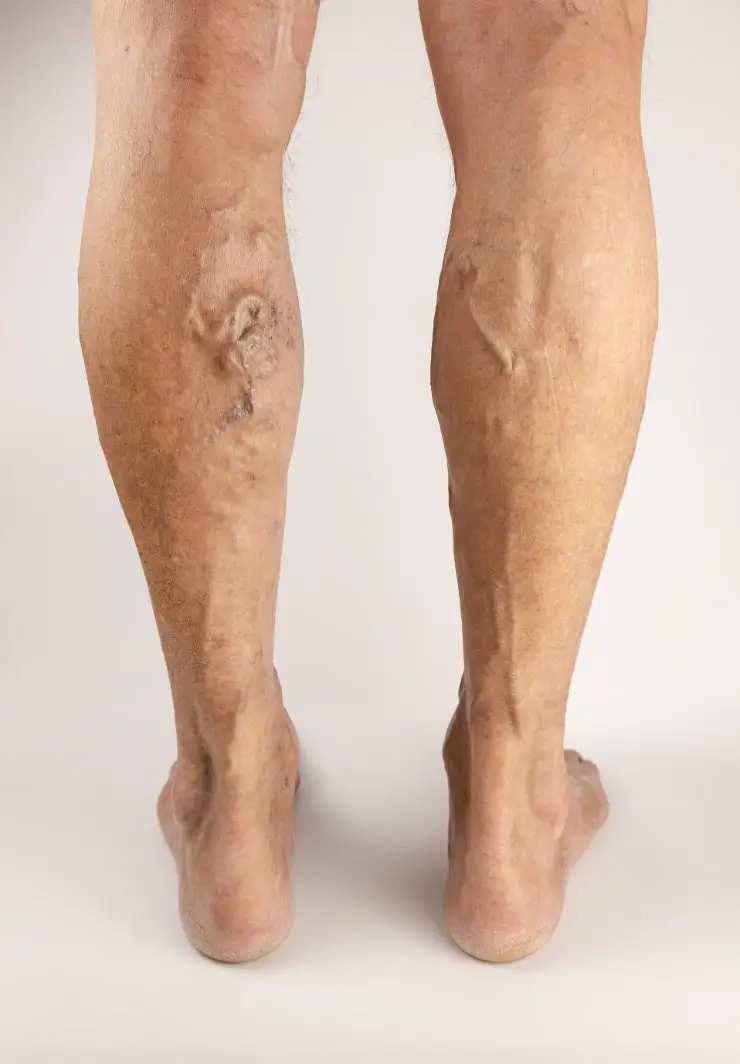
Varicose veins refer to the swollen, twisted, and enlarged veins that usually appear just under the skin in the legs and feet, increased pressure in the leg veins combined with an inherited weakness in vein walls are often the causes of varicose veins. They affect the lifestyle of the person, if left untreated.
What are the Causes of Varicose Veins ?
Damaged or weak veins and valves cause the blood to pool, when the one way valves fail, blood flows backwards, and collects, stretching and twisting the veins. Several physiological and lifestyle factors increase the pressure inside your veins such as :-
- Prior Leg Injuries
- Prolonged Standing or Sitting
- Obesity or Being Overweight
- Pregnancy, and Hormonal Changes
What are the Symptoms of Varicose Veins?
Symptoms of varicose veins are often mistaken for something else, but mostly these are swollen, twisted, and often appear on the legs and feet. Symptoms frequently worsen after sitting or standing for long periods. Major symptoms of Varicose veins include
- Bulging Veins
- Veins turning Blue, Purple or Black
- Discomfort
- Swelling
- Skin Sensations
- Skin and tissue changes
How can Varicose Veins be treated?
Varicose veins usually are treated with a combination of at-home care, minimally invasive procedures, or surgery. The best approach depends on severity of the disease, overall health of the patient and the attention given to the disease. For early stage Varicose Veins, treatments involve compression stockings, elevation and movement. But complex cases with a high risk of chronic venous insufficiency (CVI) pooling of blood can lead to severe leg swelling, painful skin ulcers, spontaneous bleeding, and life-threatening blood clots require other minimally invasive procedures such as sclerotherapy, varicose veins ablation, varicose veins embolization and Latest Most Advanced VenaSeal Glue Therapy.
How can Sohana Hospital help me with Varicose Veins?
Sohana Hospital equips all the best treatments for Varicose veins right from minimally invasive surgeries to using image-guided techniques for diagnostic and treatment purposes. Sohana Hospital’s team of highly skilled and experienced interventional radiologists employs state-of-the-art technology at Sohana Hospital to perform complex procedures with precision and effectiveness.
Frequently Asked Questions
How do you know if you are at risk for varicose veins?
Swelling in feet, and ankles, achy legs, spots on lower legs, and shiny legs all are the signs to look out for when worried about varicose veins. Common factors include Family history, Overweight or obesity, and damaged veins.
How can Sohana hospital help me with Varicose veins?
Sohana hospital provides a number of treatments like VenaSeal, Varicose Veins Ablation & Varicose Veins Embolization. Varicose veins laser treatment near me is made easier with Sohana hospital’s expert advice, and Minimally Invasive Treatments.
Are varicose veins a serious health risk?
These are a serious health issue if left untreated, as their long negligence can lead to chronic venous insufficiency. Other symptoms include painful skin ulcers, spontaneous bleeding, and dangerous blood clots like deep vein thrombosis.
What is the biggest cause of varicose veins?
The most common cause of weak or damaged vein valves, blood leaks backward and pools in the vein, increasing pressure and causing the vessels to stretch, swell, and twist. All these lead to valve failure and move towards the Varicose Veins Medical Treatment.
What are the early warning signs of varicose veins?
Early veins of varicose veins include leg heaviness, mild ankle swelling, spider veins, and aching or cramping. These symptoms often worsen around the night, and particularly after long periods of standing or sitting.
:
Medically Reviewed By:
Dr. Akhil Monga
Director Neuro & Vascular Interventional Radiology
Sohana Hospital, Mohali.
Last Updated:15/7/2026
Credentials of the Author:
-MD Radiology
-16+ Years of Clinical Experience
-Specialist in Neuro & Vascular Interventional Radiology