
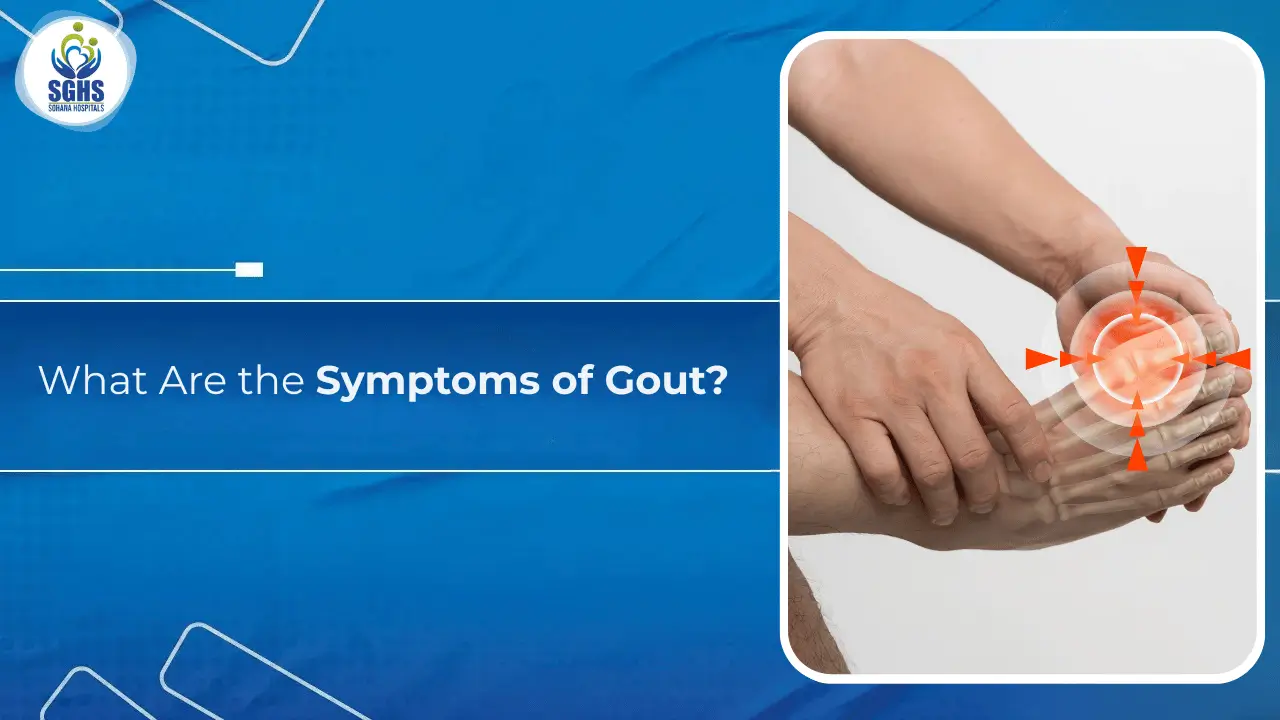
Do you often wake up in the middle of the night because of sudden, excruciating pain in your big toe? If yes, you may be going through a gout flare-up.
Gout is a type of inflammatory arthritis that causes severe joint pain and discomfort. It typically affects the big toe joint but can also affect some other joints like fingers, wrists, elbows, ankles, and knees.
A gout flare-up is an episode when the symptoms associated with the condition become much more apparent, causing significant discomfort. Understanding the symptoms and what triggers them is crucial to managing this chronic condition.
Gout symptoms are a result of excess uric acid levels in the body. Over time, the excess uric acid forms crystals around joints, leading to inflammation and sharp pain. Uric acid is a waste product formed when the body breaks down purines (compounds found in certain foods).
Typically, your body excretes excess uric acid through urine. But when uric acid is produced in large quantities because of a high-purine diet (or other factors like genetics, certain medications, obesity, etc.,) or is not being excreted sufficiently, it gets accumulated in the body, forming crystals around joints.
In this blog, we will walk you through some of the most common telltale symptoms of gout.
Sudden & Intense Joint Pain
This is one of the most identifiable symptoms of gout. The condition typically affects the base of the big toe. During a gout attack, you are likely to experience sudden & extreme pain, often described as a throbbing, sharp pain.
This symptom is more common at night and can become severe to the point that even a slight touch (weight of a light comforter or blanket) feels unbearable.
*Note: Gout attacks peak within 12–24 hours and last a few days to 1–2 weeks if untreated.
Inflammation
If you notice swelling and redness along with intense joint pain, you likely have inflammation around the affected joint. The affected area can appear red, may be warm & tender to touch. Inflammation is a natural response of the body to the formation of uric acid crystals. It can make simple tasks like moving your joints, walking, etc., difficult.
Reduced Range of Motion
The pain and inflammation can lead to stiffness in the joint. Since moving the joint may cause the pain to increase even more, and the inflammation makes it difficult to move the affected joint, your range of movement is significantly hampered. If the gout attack or flare-up is intense, you may not even be able to perform routine tasks involving the affected joint.
Recurring Attacks
One way you can determine whether what you’re dealing with is indeed gout is if you experience recurrent gout attacks or flare-ups. Gout symptoms come and go in episodes known as gout attacks or flare-ups. After your very first gout attack, you may go months or maybe even a year without any symptoms. But the thing about this chronic inflammatory condition is that it does come back if left untreated. Generally, recurring flare-ups are worse in severity and frequency if proper medication or treatment is not started.
Tophus
Tophi are big deposits of excess uric acid inside your body. These can form under your skin near your elbows, toes, fingers, and ears. These nodules often indicate that the condition has been left untreated for a long time and has significantly increased in severity. These can be the source of major discomfort in gout patients if prompt medical intervention is not sought.
Learn more about: Things You Can Do To Prevent Gout
When to See a Doctor?
If you or anyone you know is experiencing some or all of the above-mentioned symptoms, it is time to visit a specialist. Sohana Hospital has a team of the best rheumatology doctors in Chandigarh who employ a multi-disciplinary approach to appropriately manage and treat complex rheumatic diseases.
Advanced diagnostics and modern, personalised treatments ensure you can live your best, pain-free life even with gout. Our experts focus on minimising the frequency of flare-ups along with reducing excess uric acid levels in gout patients.
Don’t delay gout treatment – step into a pain-free life today!