
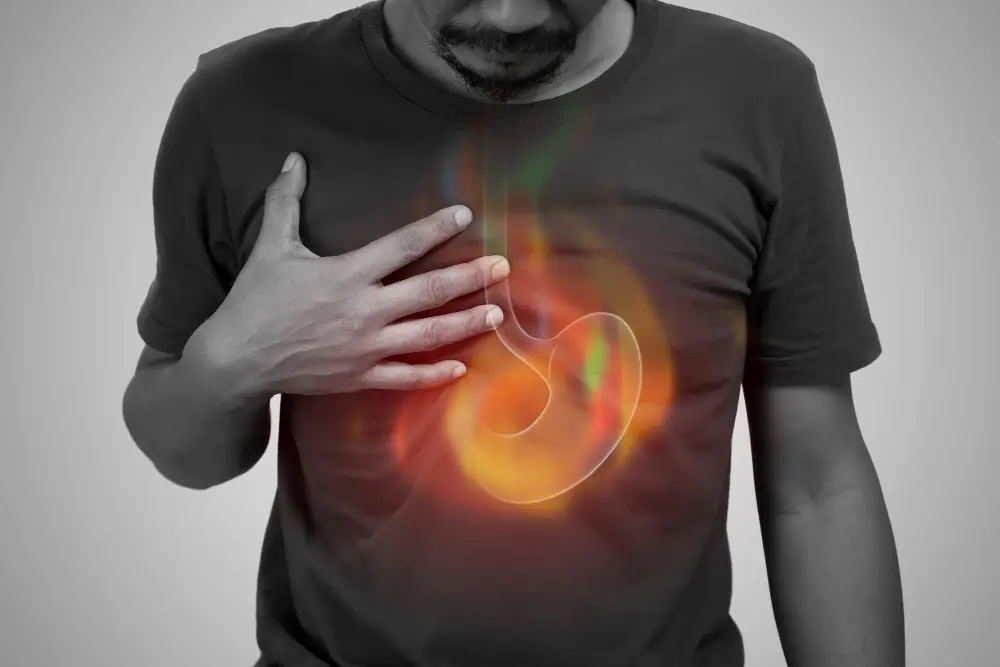
Gastroesophageal Reflux Disease (GERD), popularly referred to as acid reflux, is one of the most prevalent digestive disorders that leads to the repeated backward flow of stomach acid into your esophagus (food pipe), irritating the lining and causing discomfort during digestion. Common symptoms include heartburn, chest pain, sour taste in your mouth, abdominal bloating, and chronic coughing. Although many people experience acid reflux occasionally, the majority of those who experience frequent episodes more than twice a week, or recurrent symptoms, have a more serious medical condition called GERD than those who have only occasional acid reflux episodes of less than twice a week. Thus, we will review how to manage the potential health consequences caused by chronic symptoms of GERD. In this article, we will discuss GERD in detail, backed by GERD treatment hospital.
What are the causes of GERD?
GERD is related to the weakness or prolonged relaxation (inability to contract) of the lower esophageal sphincter (LES) muscle, which prevents stomach acid from flowing back into your food pipe. Excessive eating, obesity, smoking, stress, pregnancy, and certain types of foods are some contributing factors that can exacerbate the symptoms of GERD. If left untreated, GERD could develop into other conditions such as esophagitis, stomach ulcers, strictures, or Barrett’s esophagus.
What are the Lifestyle Changes that need to be done?
As per the best GERD treatment hospital, one method of controlling and preventing the progression of GERD is through simple lifestyle changes. Here are a few examples of basic lifestyle changes that may lessen your GERD symptoms:
- Eat small, frequent meals instead of large meals, no more than 2 hours between meals
- Avoid specific trigger foods such as: spicy, greasy or fatty foods, chocolate, caffeine-containing beverages, vitamin supplements, and Citrus fruits, juices, or lemonade
- Do not lie down within 2 hours after eating a heavy meal
- Raise the head of the bed to help prevent acid from coming back up during the night
- Be sure you are maintaining a healthy body weight, as excess weight can increase pressure on the abdomen or stomach.
- Avoid alcohol and smoking
What are the dietary changes recommended to patients?
Lifestyle management should include dietary changes and avoiding certain foods that may irritate your digestive system. This includes high-fat, spicy, or tomato-based foods, alcohol and caffeine, citrus fruits except orange,s and vinegar. If you have reflux, you may want to discontinue drinking carbonated beverages or eating large amounts of certain candies or chocolate. Your doctor or dietitian can help you develop a reflux-friendly diet. Some of the foods that will be encouraged to consume as a part of your reflux-friendly diet are:
- Oatmeal
- Bananas
- Rice
- Curd
- Green leafy vegetables
- Lean meats and poultry
- Non-citrus fruits
Drinking plenty of water and not eating close to bedtime can help reduce the amount of acid produced by the body.
When is surgery considered an option?
Surgical options such as fundoplication or minimally invasive anti-reflux surgery may be discussed with you if medications do not work or if you are a candidate for surgery to treat your reflux. Surgical options will help to strengthen the LES (lower esophageal sphincter) and prevent reflux of acid into the esophagus.
If you are facing the symptoms of GERD, and want to consult the best gastroenterologist for GERD, or GERD treatment hospital, Sohana Hospital might be your best bet. Sohana Hospital Mohali is home to the World’s most advanced technology and North India’s most trusted and experienced gastroenterologists who provide complete care for GERD patients. Book your appointment today!