
A cardiac emergency, such as a heart attack or sudden cardiac arrest, can happen at any time with no warning. Immediate action is necessary when it does. What you do in those critical moments may ultimately determine whether a person lives or dies. The actions of people close by during these initial minutes are essential; however, medical professionals will be on hand shortly after the incident occurs as well. The life-saving characteristics to focus on for everyone involved are: being aware, remaining calm, making quick decisions, and performing rapid responses. In this article, we will discuss in detail different steps that need to be taken during the times of heart emergency.
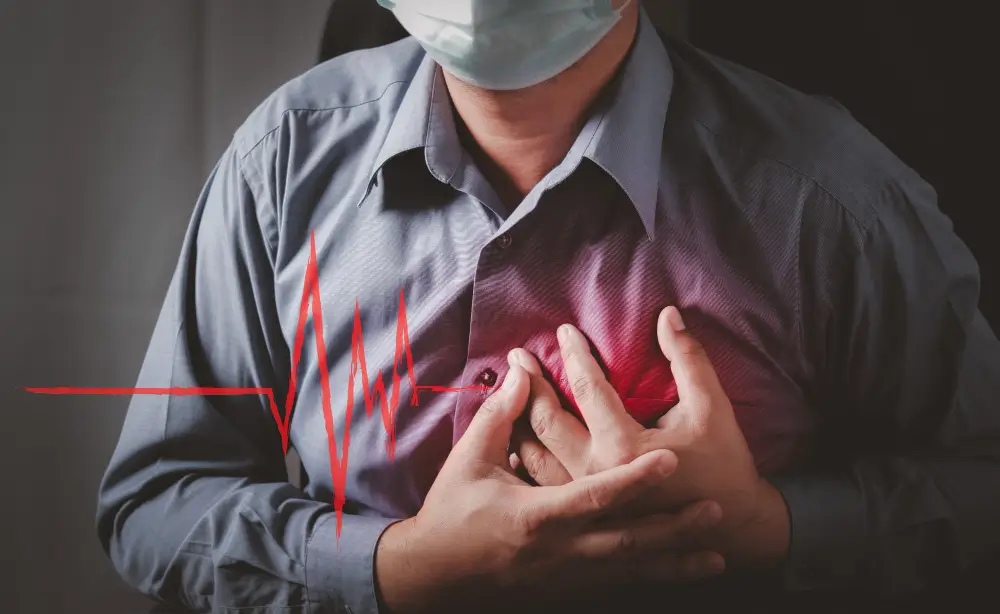
- Recognize the Warning Signs Early
The first step in dealing with a cardiac emergency is recognizing the occurrence of one. The most common warning signs include: chest pain or pressure, discomfort in your arm, neck, jaw, or back, shortness of breath, excessive sweating, nausea, dizziness, and sudden fatigue. Be very careful, as symptoms can sometimes be very subtle, especially for women, elderly, or diabetic individuals, and sometimes for very small children, and they may present themselves as indigestion-like pain or unusual breathlessness. If you notice any of these signs, you should take them very seriously and NEVER ignore them or wait for the signs to just go away.
- Immediately Call for Emergency Medical Help
If you suspect that you or someone you are with may be having a cardiac emergency, you should immediately contact emergency medical services via telephone. Under no circumstances should you attempt to drive that person yourself to a hospital unless there are absolutely NO other options available. The sooner that emergency personnel can begin to provide treatment to you en route, the better your chances will be for survival. The time of hesitation can be very costly. You will lose precious time attempting to drive someone to the hospital you don’t know, and you can cause irreversible damage to the heart as well.
- Help the person stay calm
You should recommend that the person either sit or lie down until assistance arrives during the times of a heart emergency. The visitors to the facility need to be reassured that everything will be fine. The person needs to stay in one place because physical activity will make their heart problems worse. The person needs to take off their tight clothes so they can breathe clean air. The person needs your assistance to take their prescribed heart medication, which includes nitroglycerin, according to their medical instructions.
- Start CPR if the Person Collapses
Cardiopulmonary resuscitation (CPR) should start immediately when someone becomes unresponsive and stops breathing, and loses their pulse. The person needs to perform chest compressions with a strong and fast force directly on the middle of the chest until doctors arrive. The available automated external defibrillator (AED) should be used immediately after its arrival. The device uses straightforward instructions to help people restore their heart rhythm after experiencing sudden cardiac arrest.
The practice of hands-only CPR, which you can do without any formal training yet has the potential to save lives.
- Do Not Delay Professional Care
People should never depend on home treatments because they think their symptoms will get better without medical assistance. Cardiac emergencies require expert medical evaluation, advanced diagnostics, and immediate treatment such as clot-busting medications, angioplasty, or advanced cardiac life support.
If you are looking for the best cardiac emergency hospital near me, or a 24/7 cardiac emergency hospital in Mohali, Sohana Hospital might be your ally in times of need. Sohana Hospital hosts the world’s most advanced technology, North India’s best heart specialists and a dedicated emergency staff to cater to all the needs of the patients when every second counts!