
The early years of life represent a time of rapid growth and change. Each milestone in a child’s life contributes to their physical and psychological development, and parents monitoring their child’s progress at these milestones can ascertain that their child is developing appropriately and can identify potential developmental problems early on. The fact that there are several different ways to measure individual child development demonstrates that each child develops at a different rate; however, the following developmental milestones are widely accepted as indicators of healthy child development during Early child growth stages.
- Physical and Motor Development
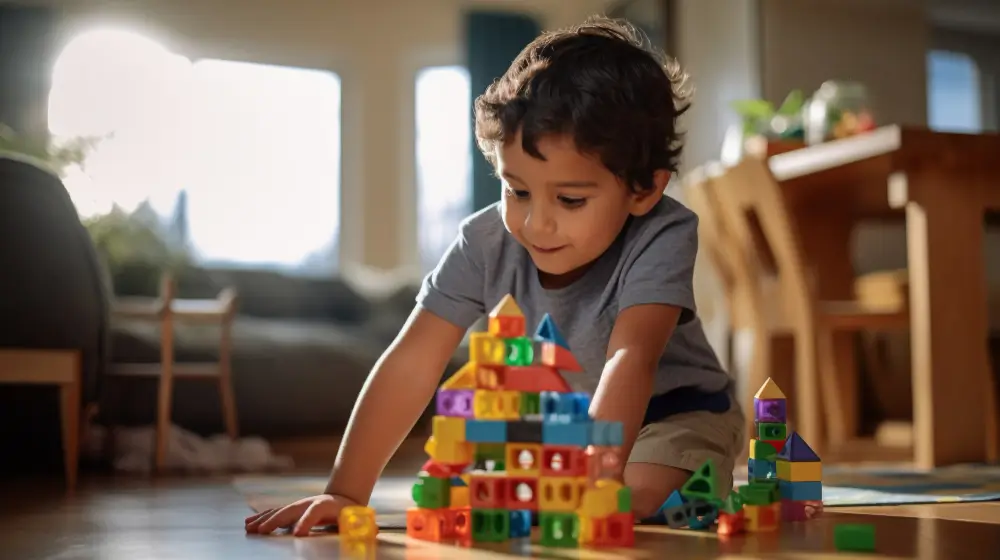
Physical and motor skills are the foundation of independence. Throughout their first year, infants typically learn to lift their head, roll over, sit up, crawl, and take their first steps. At two years of age, children usually can run, climb stairs and throw objects. Fine motor skills develop gradually, and they play an important role in developing hand-eye coordination by allowing children to hold toys, stack blocks, and create drawings with crayons.
- Developmental Indicators: Communication Indicators
According to Pediatric development specialist in Mohali, speech and Language are two of the Primary Indicators of Development for Children. Children begin cooing and babbling when they are six months old, beginning to speak words like “Mama” and “Dada” at one year old, and forming short sentences by the age of three years. Children can hold conversations and understand instructions by five years of age, and they can express their thoughts, feelings, ideas, and emotions using language as a tool.
If your child has a limited vocabulary, struggles with sentence structure, and cannot generally follow directions, it could be due to a hearing impairment or speech delay. Early assessment and therapy (speech therapy, etc.) can greatly improve outcomes for this type of child.
- Developmental Indicators: Emotional Development
Like speech, language, and communication skills, children also begin to acquire social and emotional skills long before they ever start school. Children typically learn to bond/interact with others through familiar sounds (voices, etc.), smiles, etc. When toddlers become capable of showing preferences for certain people, they begin to imitate the behaviors of those people. Children begin to show empathetic acts when they play with other children in a group setting by approximately three years of age.
It is important for parents to monitor how their child interacts with others, responds to emotions, and experiences things that are different. If your child is experiencing difficulty bonding with others or exhibiting continuous aggressive behavior, or has very little interest in social interactions, these may indicate developmental delays, including Autism Spectrum Disorder.
To assess a child’s motor skills, parents can observe how their child uses their hands, how they move, and how curious they are in exploring their environment. Delayed motor skill development may indicate muscle weakness, problems with the child’s neurological system, or sensory processing difficulties; thus, it is important for parents to seek the advice of a professional if they suspect any of these issues.
If you are surfing the net for the best Child growth and development clinic, or the best Pediatric development specialist in Mohali, Sohana Hospital might just be the right option for you. Sohana Hospital Mohali is home to the World’s most advanced technology and North India’s most trusted and experienced pediatric specialists who provide the most comprehensive and compassionate care for your little ones. Book your appointment today!