
Gas, bloating, and acidity, also known as dyspepsia, are symptoms many people experience regardless of age. More often than not, these symptoms are caused by dietary choices, lack of routine in eating, as well as stress or habits related to a person’s lifestyle. Unfortunately, many people fail to recognize that sustained or fairly acute symptoms may indicate an underlying serious problem. Therefore, knowing when you can ignore such symptoms and when to seek treatment can greatly impact your long-term health.
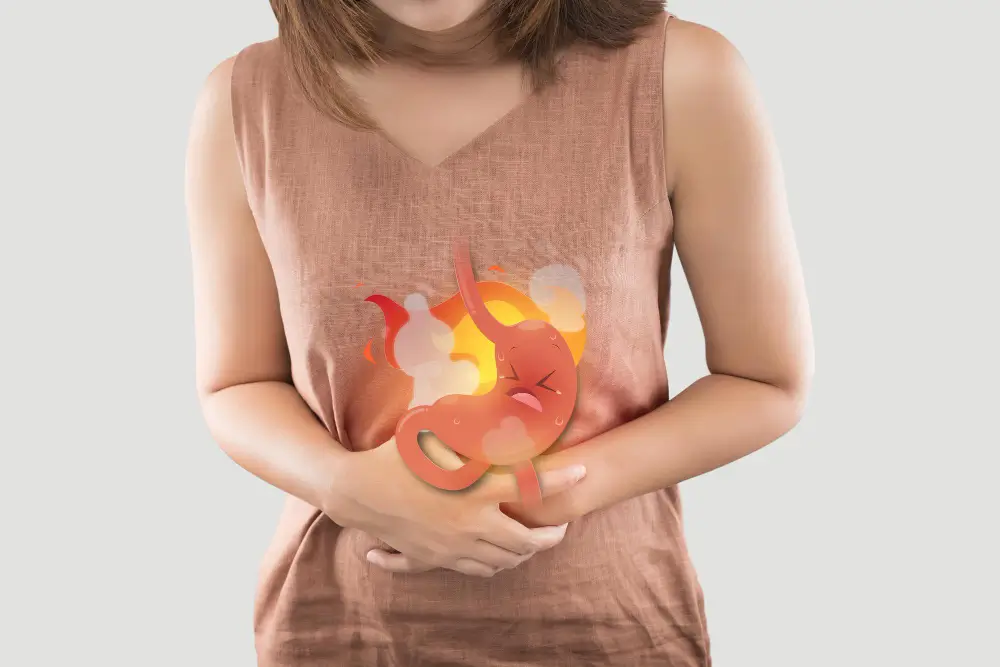
How Are Gases, Bloating, and Acids Produced in the Body?
The digestive system is responsible for breaking down food into nutrient substances that are available to be used by the body. This process creates gases, along with stomach acids, to digest food. If the digestive process becomes disrupted from overeating (consuming large portions at once), eating too rapidly, consuming spicy or processed food, as well as insufficient physical activity , gas and acid build up in the stomach. On the other hand, bloating occurs when excess air accumulates in the stomach, causing the feeling of fullness, pressure, or swelling. Occasional symptoms occur naturally for many people; however, persistent symptoms usually signify an underlying medical cause or a gastrointestinal disease.
When Is It Time to Get Help for Your Acid Reflux, Gas, or Bloating or Abdominal Distension?
The level of disruption to your day-to-day routine due to your symptoms, as well as the duration of your symptoms (i.e., if they last longer than several days), warrants seeking medical advice. Here are some potential indications of a more serious situation:
Signs of Serious Illness:
- Unexplained weight loss: Weight loss from metabolic diseases caused by digestive problems or gastrointestinal disease (e.g., ulcer, celiac disease, cancer) often results in significant unintentional weight loss.
- Constant acid reflux or persistent heartburn may indicate a developing condition called gastroesophageal reflux disease (GERD). GERD not only causes irritation, but the inflammation of the tissue in the esophagus may result in damage and serious health problems if it goes untreated.
- Abdominal pain, such as recurrent, sharp pains or cramping, may represent conditions like gall bladder disease, pancreatitis, irritable bowel syndrome, or inflammatory bowel disease.
- Difficulty swallowing or vomiting may indicate a need for urgent evaluation for potential obstruction, ulcers, or esophageal conditions.
- Blood or black stools: If you see blood in your stool or black stools in the toilet bowl, this is a major cause for concern as it often indicates that you are experiencing a serious medical condition, such as internal bleeding or potentially colorectal cancer. This sign of serious illness should never be ignored.
These signs are not always harmful, but if they occur regularly and cause a disruption in the daily life of an individual, they must not be ignored. Early check-ups and diagnosis can not only improve the treatment outcomes, but also prevent serious complications.
If you are looking for the best gastroenterologist near me, or the Best Gastroenterologists in Mohali, Sohana Hospital might be the best option for you. Sohana Hospital Mohali is home to the World’s most advanced technology and North India’s most trusted and experienced gastro-specialists who provide the most comprehensive and holistic care for all gastrointestinal issues. Book an appointment today!