
Thousands of individuals with renal failure have had their lives changed through kidney transplant surgery. Even though technology and surgical techniques have progressed significantly, many people do not want to consider a kidney transplant because they’re concerned about the safety of the procedure, they have misinformation about what will happen after surgery, or they have heard so many myths about kidney transplantation.
Patients who receive kidney transplants typically report that their quality of life has improved and they can resume normal, everyday activities. When making an informed decision that provides them with confidence, patients and family members need to know the facts about the procedure.
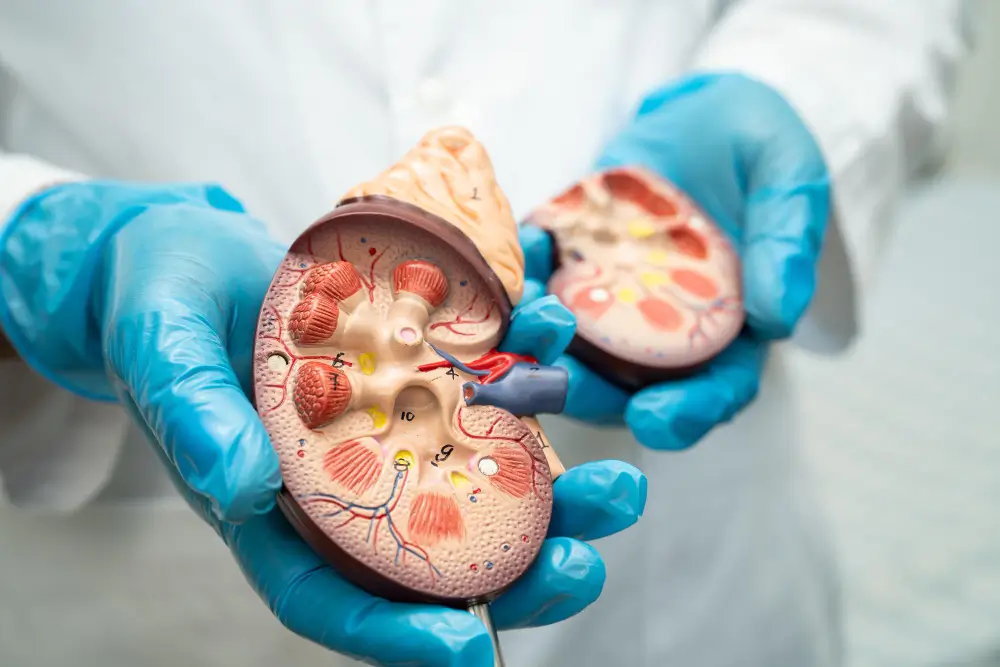
Here are seven common myths regarding Kidney Transplant Treatment and the facts associated with each myth:
Myth 1: Kidney Transplantation is a Dangerous Procedure
Although the vast majority of individuals who undergo a kidney transplant do very well, there are risks associated with the procedure due to the nature of surgery, skill of the surgeon, and availability of resources (ex, blood supply). Kidney transplants have been performed everywhere in the world using appropriate techniques and have become one of the most common types of surgical procedures over the last 30+ years. Improvements in the techniques involved, equipment available to conduct the procedure, quality of the anesthesia, medications to help reduce pain associated with surgery, etc., have significantly improved patient safety and their ability to survive following a kidney transplant.
As is the case with any major surgery, kidney transplant patients will experience some form of risk from their procedure (however, this will be much less than that felt by people undergoing long-term dialysis). Most people who undergo kidney transplant surgery have improved quality of life from what would have been the case if they had remained on dialysis for an extended period.
Myth 2: A Person That Donates Their Kidney Will Not Be Able To Lead A Normal Life Afterwards
There is a common fear that a kidney donor’s health will be affected for the long term after surgery. In actuality, as long as the person donating the kidney is healthy, they can lead an entirely normal and active lifestyle once the surgery has been performed. Prior to the surgery, extensive medical evaluations are completed on potential donors to verify that they are in good overall health. The majority of donors resume their regular routines following surgery and sometimes do not have any long-term complications from the surgery itself.
Myth 3: Older Patients Cannot Have A Kidney Transplant
The factor of age alone does not determine the qualification for a patient to have a successful Kidney Transplant Treatment. There are many older patients who have received successful transplants and have gone on to lead healthier lives as a result. When determining eligibility to receive a kidney transplant, physicians look beyond just the factor of age in evaluating each prospective patient. They take into consideration the overall health and wellness of each prospective patient, as well as how well-functioning their heart is, their physical ability, and their ability to withstand the demands of undergoing surgery.
Myth 4: A Person On Dialysis Will Have The Same Quality Of Life Post-Transplant as They Did On Dialysis
Dialysis can perform a few of the functions of a healthy kidney, but it is not capable of performing ALL of the functions of a healthy kidney. Patients who have received successful kidney transplants report being able to live longer, with more energy; having more variety in their diet; and having greater autonomy than they had while on dialysis.
Myth 5: Patients Need to Stay in the Hospital for Life if They Have a Transplanted Kidney
Another myth about Kidney Transplant Treatment patients is that they will spend a long time in the hospital after surgery to get the transplanted kidney. In reality, most people stay in the hospital for only a short amount of time (a few days to a week or two), depending on how they recover and their overall health. With appropriate follow-up care and medications, many people can eventually go back to work, travel, exercise, and do everything else that they used to do before getting the transplant.
Myth 6: The Body Will Always Reject the Transplant
Rejection of the kidney can happen; however, that will not happen every time. There are also many effective medications that will help your body accept the transplanted kidney. By continuing to routinely monitor for complications, taking medications on time, and having regular follow-up visits, many people who received a kidney transplant will be able to keep their kidney function for a long time and avoid any complications.
Myth 7: A Kidney Transplant Will Fix My Kidney Disease Forever
A kidney transplant can be a very good way to treat kidney disease; however, it still requires a person to receive medical follow-up and medications for the rest of their life. All transplant patients must continue to take the medication prescribed by their doctor, follow a recommended diet, and keep all required medical appointments after receiving a kidney transplant. Many transplanted kidneys can function properly for many years, allowing transplant patients to live a healthier, happier life.
Sohana Hospital Mohali remains the leading choice for patients considering the Best Treatment for Kidney Failure, thanks to its advanced technology and North India’s most trusted kidney specialists. Book your appointment today!